Tag: Vehicle Listing Ads

  • 5 Ways a Boutique Automotive Marketing Agency Can Fuel Your Growth

    5 Ways a Boutique Automotive Marketing Agency Can Fuel Your Growth

    In a fast-paced automotive industry, having your brand stand out is crucial as a car dealership or auto parts retailer. And, a boutique automotive marketing agency offers several competitive advantages. Compared to large-scale and general digital marketing firms, smaller auto agencies can fuel your success with their flexible business structures, personalized attention, and more.

    Whether you’re looking to strengthen your local dealership’s online presence or drive more e-commerce auto parts sales, here’s how a small auto marketing firm can accelerate your growth.

    5 Benefits of Working with a Boutique Automotive Marketing Agency

    Below are the top five benefits of working with a small automotive digital marketing agency and why they’re worth your investment. 

    1. Flexible Automotive Marketing Services
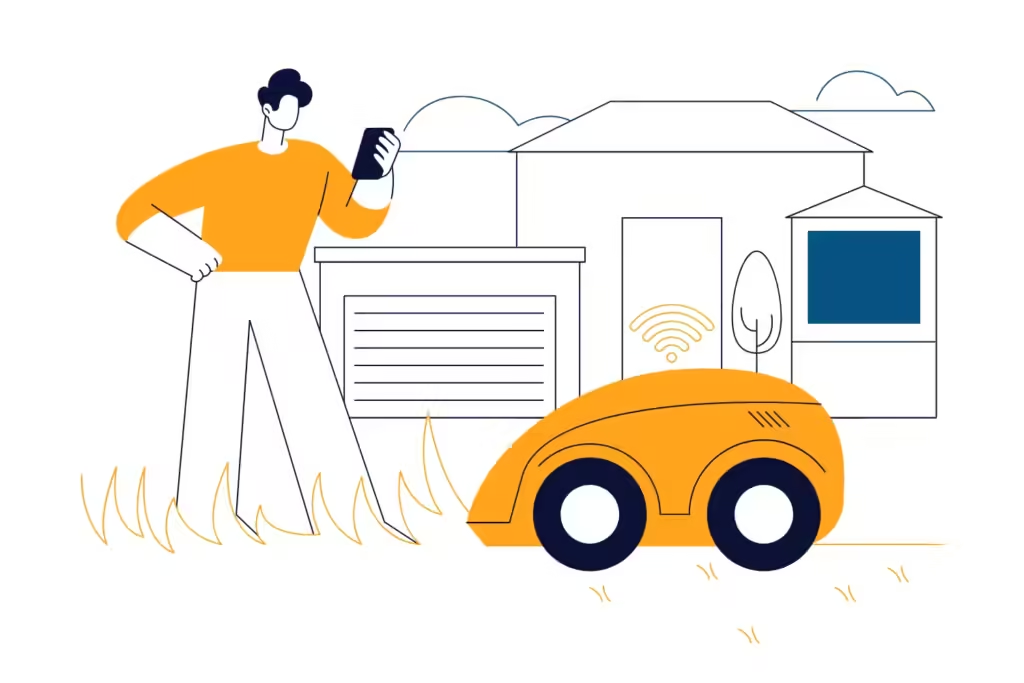
    A person buying a vehicle on their phone that's being delivered to their home

    One of the main benefits of working with a boutique automotive marketing agency is its flexible business structure. The automotive digital marketplace is ever-evolving, and your business sometimes has to adapt to these new changes. 

    For example, dealerships are finding an increase in online purchasing without consumers visiting onsite. More vehicle owners prioritize a convenient car shopping experience by buying cars online and having them delivered without leaving their homes.

    During the COVID-19 pandemic, automotive brands adapted to in-person restrictions with contactless test drives, mobile inventory shopping apps, and rising online car retailers. Even in a post-pandemic landscape, the global automotive e-commerce market continues to grow in popularity, with a projected compound annual growth rate of 17.4% by 2031.

    With these recent marketplace shifts in the industry, your brand may want to re-align its automotive marketing strategies to cater to these new customer behaviors. You may want to invest in new marketing services, like virtual vehicle showrooms on social media and video customer service chats on your website to answer their questions online and close more deals. 

    If you work with a corporate digital agency, they may not offer the flexibility to update your existing agreements and scale your marketing services until the contract term is complete. 

    Your marketing agency should be like a partner in your brand and grow with you as needed. 

    2. Specialized Automotive Marketing Services

    In addition to flexibility, small automotive marketing companies have exclusive industry services that generalized digital firms may not. Boutique auto agencies may offer automotive copywriting and web design/development for your branded dealership’s website that adheres to strict OEM guidelines.

    Because they specialize in the automotive sector, they know how to navigate the marketplace with tailored marketing. When your digital agency has industry-specific services and relevant experience, your business can leverage its marketing investments better. 

    3. Optimized Vehicle Advertising Budget
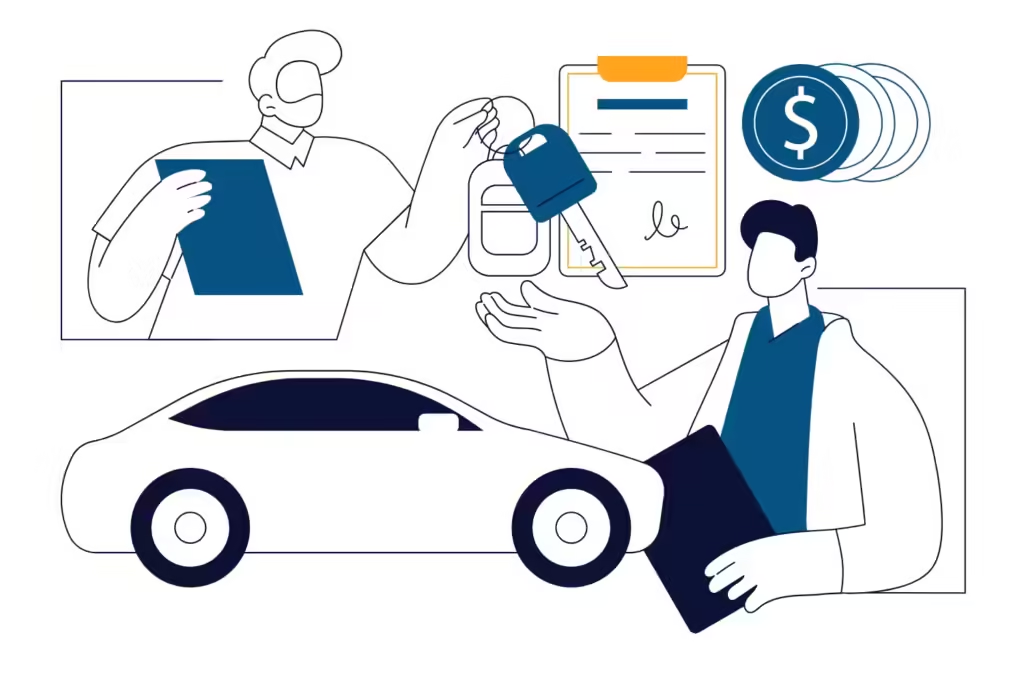
    Two people working together to increase their vehicle sales

    A boutique auto advertising agency utilizes its industry expertise and in-house team to optimize your ad’s budgets. They know how to use vehicle marketing technology to maximize your ad spend for greater ROI. 

    If you’re a local car dealership, they can integrate your used and new vehicle inventory data feed with your Vehicle Listing Advertisements (VLAs) on Google Merchant Center. Consumers enter the vehicle features they want, like mileage and model year, and it provides relative listings from your inventory without them entering your website. 

    When they’re ready to buy, your dealership’s contact information is provided as the final step. Capturing leads from Google reaches new buyers and is critical for automotive brands as users don’t always click on your website when shopping for cars online. 

    A study shows that integrating VLAs with existing search campaigns can increase average conversion rates by 25%—without increasing ad spend!

    Advertising agencies in the automotive industry combine their SEO and SEM knowledge to generate high-converting VLAs because they know which ones have the highest performance to maximize profit and which ones have the lowest performance to adjust for improvement. 

    4. Personalized Client Communication

    As a dealership or auto retailer business owner, sometimes you want to speak with the owner of your marketing agency directly. While they may have assigned staff to communicate with you, like account managers, there are instances where you prefer to speak with someone in the highest position.

    Whether you want to build a stronger relationship or scale your marketing services, getting the owner of the digital agency you work with on the phone shouldn’t be difficult due to their schedule. 

    Smaller automotive marketing agencies typically have more personalized client communication. Since they have fewer clients than international firms, it usually allows them more availability to cater to your needs. 

    5. Enhanced Client Focus

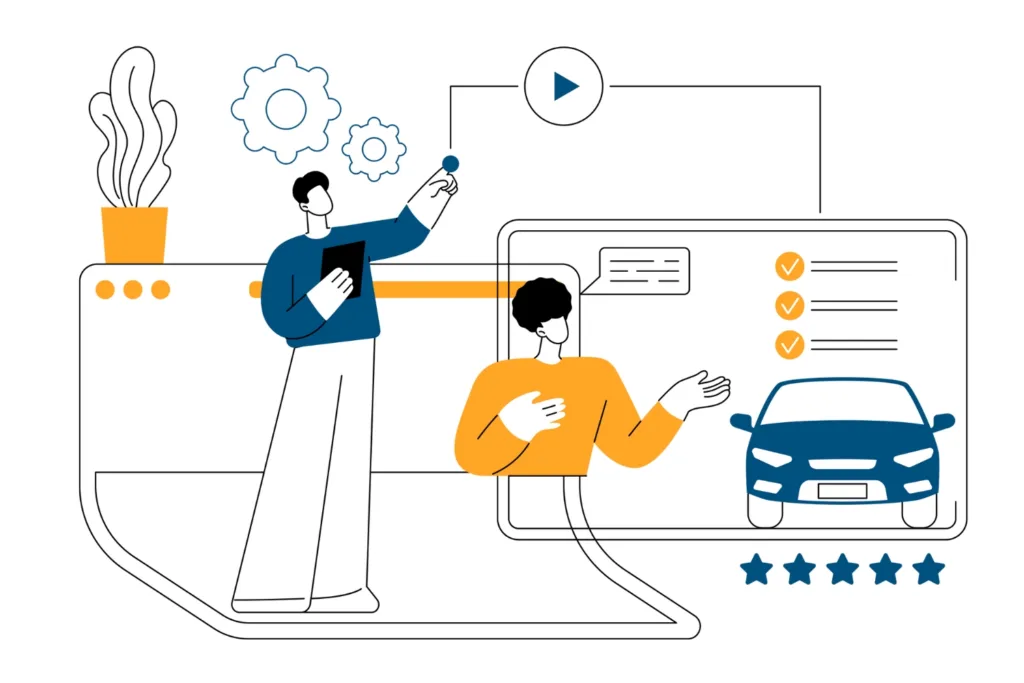
    A person video chatting with three people on their business metrics

    Just because boutique auto marketing companies are smaller doesn’t mean they’re less capable. In fact, they use their small business structure to their advantage for their clients. With a smaller bandwidth of clients to manage, they can enhance their focus on your brand and tackle new challenges more effectively. 

    Although corporate automotive marketing firms have more resources and bigger teams, they may have slower turnarounds if you have new service requests or unexpected project disruptions due to their larger workloads and stricter business models.

    Accelerate Your Long-Term Success with a Boutique Automotive Marketing Agency

    Whether you’re a branded dealership, a local car dealer, or in auto parts e-commerce, working with a small automotive agency is one of the best marketing investments you can make for your brand. From relevant industry experience to flexible scaling contracts, you want a digital firm that tailors to your business’s marketing needs with a successful track record in your niche. 

    At Reach Marketing Pro, we’re a full-service boutique digital marketing agency with extensive experience in the automotive industry, including social media, video marketing, web design/development, email marketing, and more. 

    We also offer specialized automotive marketing services. 

    Our Dealer VIP Advantage program boosts sales for your vehicles in production inventory with OEM and brand-centric pre-order setups and SEO-optimized reservation pages. Our Absorption Boost services streamline your customer’s buying process with mobile QR codes for monthly specials to close deals more quickly and easily

    Ready to turbocharge your brand’s automotive marketing efforts? 

    Learn more about our digital marketing services or contact us for help supporting your bottom line today! 
  • Automotive SEO & Content Marketing: How to Rev Up Your Dealership’s Rankings 

    Automotive SEO & Content Marketing: How to Rev Up Your Dealership’s Rankings 

    Whether you’re a dealership or auto parts retailer, investing in automotive SEO is essential to your bottom line. It helps your business show up on Google when consumers search for relevant information, services, and products you offer online. 

    If you aren’t optimizing your SEO marketing strategy for search engines, your brand is basically invisible online to users you want to reach, especially in an oversaturated digital market. You may already be creating SEO content or utilizing Google Business Profile. 

    But, are they generating the results you’re looking for? 

    Auto dealers often make mistakes with their SEO marketing, like using the wrong search intent for blogs or keyword stuffing their websites—which is common! You’re not expected to be an SEO expert. But as a result, you may not see high keyword rankings or web copy that doesn’t convert to sales.

    Our complete automotive SEO marketing guide walks you through the best practices and mistakes to avoid. That way, you can better drive your dealership to the top of the search engine results page (SERP).

    A Guide to Automotive SEO & Content Marketing to Drive Traffic for Your Dealership

    Automotive search engine optimization (SEO) has many facets, including content marketing, local SEO, and more. However, they all share the same focus—generating traffic to your website by strengthening your online visibility. Some SEO automotive marketing strategies have additional end goals, such as converting paid search ads to sales.

    Below are the SEO essentials your auto brand must know to meet your SEO goals effectively. 

    Invest in Local SEO for Your Local Dealership

    Two people looking at videos and reviews of a car listing

    SEO for the automotive industry is especially crucial for local dealerships and auto part retailers with physical stores. You need to reach local target audiences while standing out from competitors nearby. 

    That’s where local SEO comes in. 

    You know local consumers read your reviews and check how you compare to the competition to see if your online reputation is trustworthy. While you may have a Google Business Profile (GBP), it may not be optimized fully or marketed correctly to target local audiences. 

    Some automotive SEO tips for GBP include:

    • Optimizing your business description and image file names with target keywords
    • Creating weekly posts to cross-promote your blogs 
    • Responding personally to all reviews over template-based responses, including your negative ones
    • Diversifying your GBP posts’ call-to-actions (CTAs), like “Learn More” or “Sign Up”—people aren’t always ready to “Buy Now” especially vehicles since they’re a larger purchase 

    Create Valuable & Optimized Automotive Blog Topics for All Funnel Stages

    You know each customer is unique. Every driver isn’t always car-savvy. Some may only know basic information to look for when car shopping, like vehicle history, entertainment features, and test drive comfort. Others may have more technical knowledge, like understanding the powertrain they want for a work vehicle. 

    A vehicle is a significant investment. Drivers nowadays are conducting preliminary research to ensure they’re making the right choice in their car purchase. Creating blogs for users in all funnel stages is key to meeting them where they are in their buyer’s journey by providing valuable, relevant content. 

    The three funnel marketing stages with automotive blog topic examples are:

    • Top-of-Funnel (TOF): How to Buy Your First Car, # Mistakes to Avoid When Purchasing a Used Pickup—for users who need more guidance on basic vehicle information 
    • Middle-of-Funnel (MOF): 2023 vs. 2024 Jeep Wrangler: What’s New, Best Light Duty Pickup Trucks of 2024—for more educated users who need help deciding between options
    • Bottom-of-Funnel (BOF): Auto Part Spotlight: Duramax’s New Diesel Engine, Customer Success Story, New Test Drive Videos—for users who are ready to buy 

    In addition to valuable funnel content, you must optimize all blogs for users and Google to find online, including:

    • Adding backlinks from reputable sites with high Domain Authority to be a trustworthy resource in your industry’s niche—arguably the top keyword ranking factor in SEO! 
    • Using target keywords throughout the body and headings naturally to prevent keyword stuffing
    • Following the right keyword density per your blog’s word count to make it readable for users
    • Including internal links to other blogs and web pages naturally to prevent over-optimizing
    • Cross-promoting your blogs by sharing them on your automotive social media profiles 

    Keyword Research Tips for Automotive Blogs

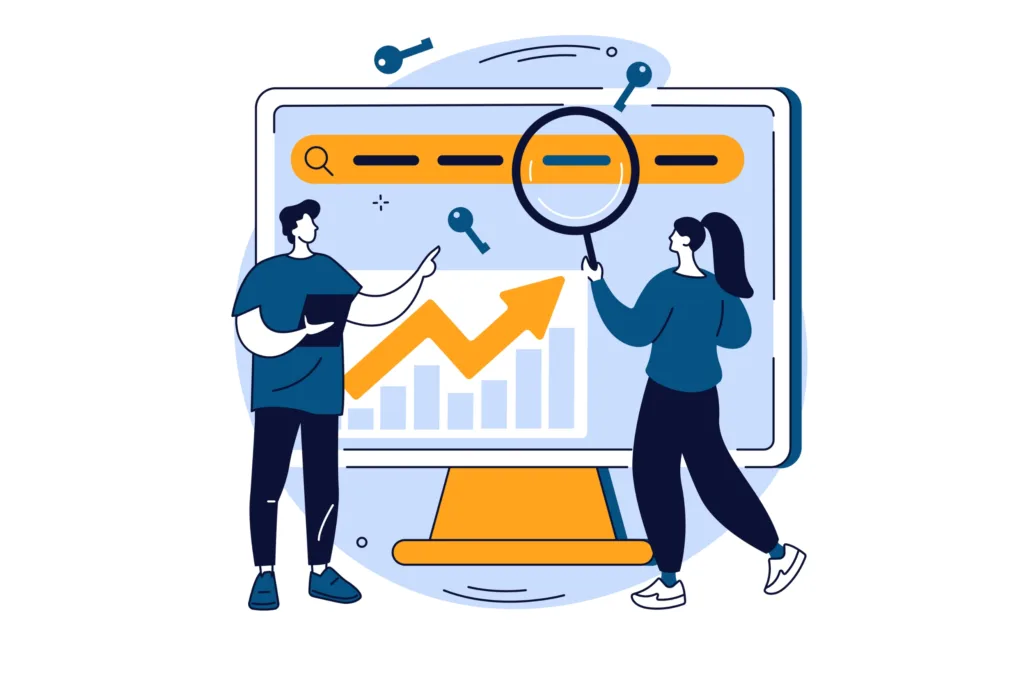
    Two people conducting keyword research on a computer

    We mentioned common SEO mistakes auto dealers make, like using the wrong search intent in their blogs. Search intent means exactly that—the intent behind a user’s search. 

    The four types of search intent with automotive keyword examples are:

    • Informational (TOF): car financing tips, used car buying mistakes to avoid, etc. 
    • Commercial (MOF): best electric vehicles 2024, tesla cybertruck vs. gmc hummer ev, etc. 
    • Navigational (BOF): auto parts stores in denver co, car dealerships near me, etc. 
    • Transactional (BOF): used pickup trucks for sale, hybrid cars for sale, etc. 

    If a user searches for “vehicles for sale in manhattan” and you create a blog topic on “How to Find the Best Vehicles for Sale in Manhattan,” that’s not what they’re looking for. They’re searching for Manhattan vehicle product listings, not a blog with tips on finding one because it’s a transactional search intent.

    You can verify a keyword’s search intent by simply typing it into Google and checking the SERPs. Do the SERPs show all blogs or product pages? While some keywords may have mixed search intent, if the SERPs don’t show blogs, it’s not the right search intent for your blog content. 

    If you don’t know where to begin with your keyword research, start by conducting a competitor SERP analysis. Enter a keyword into Google and perform a content audit with your SEO software of the top-ranking competitors. Content audits allow you to see which keywords they’re using and uncover content opportunities where you can outrank. 

    For example, you might find many question-based keywords related to a blog topic you’re writing about. You can take this opportunity to create an FAQ section to rank for those keywords if your competition didn’t make one. 

    Optimize Your Website for Search Engines & Users

    As mentioned earlier, another common mistake auto dealers make with their SEO is keyword stuffing their websites in hopes of higher rankings. This practice can do the opposite and harm your keyword rankings instead. 

    Google prioritizes E-E-A-T content (Experience, Expertise, Authoritativeness, & Trustworthiness) to deliver more helpful, relevant information when searching for information. If your website is over-optimized with keywords, it makes your content’s readability less enjoyable and weakens your user experience (UX)

    Remember, you’re also writing for humans, not just search engines.

    Other common SEO mistakes include not optimizing your site for mobile devices or creating a separate website for your blog. A recent study shows that 33% of car shoppers use mobile devices to research vehicles online, and 60% of them would call a dealership from a call extension link. 

    Additionally, hosting your blog elsewhere is basically like having two different websites. Automotive SEO is comprehensive enough. Optimizing for two sites creates more challenges, and your end goal is to drive more traffic to your main site. 

    Website optimization must include on-page, off-page, and technical SEO:

    • On-page SEO is optimizing what’s on your website pages, like keywords and internal links.
    • Off-page SEO is optimizing what’s off your website pages, like backlinks and social media.
    • Technical SEO is optimizing what’s behind your website’s page, like loading speed.

    While this may seem like a lot of information to digest, don’t get overwhelmed with this part. SEO tools and software platforms, like SEMRush and Ahrefs, automate website optimizations for you. Through website audits, they’ll flag areas of your site needing optimization, which types, and how to do it. 

    Some automotive SEO tips for website optimizations include:

    • Implement a search bar with filters on your parts page so users can easily find and shop for products
    • Add QR codes to your specials page so consumers can download coupons and redeem limited-time offers faster
    • Write web copy for your services page so potential customers know what’s included in each of your offerings
    • Optimize your website for desktop and mobile to prevent people leaving from poor user experience (UX), like small text on smartphones and no site breadcrumbs
    • Include target keywords in your metadata, like headings, meta descriptions, and page URLs, for Google to crawl (discover) and index (store) easier

    Website optimizations are about making it easier for your users and Google to discover online.

    Promote Your Inventory with Google’s Vehicles for Sale & Vehicle Listing Ads

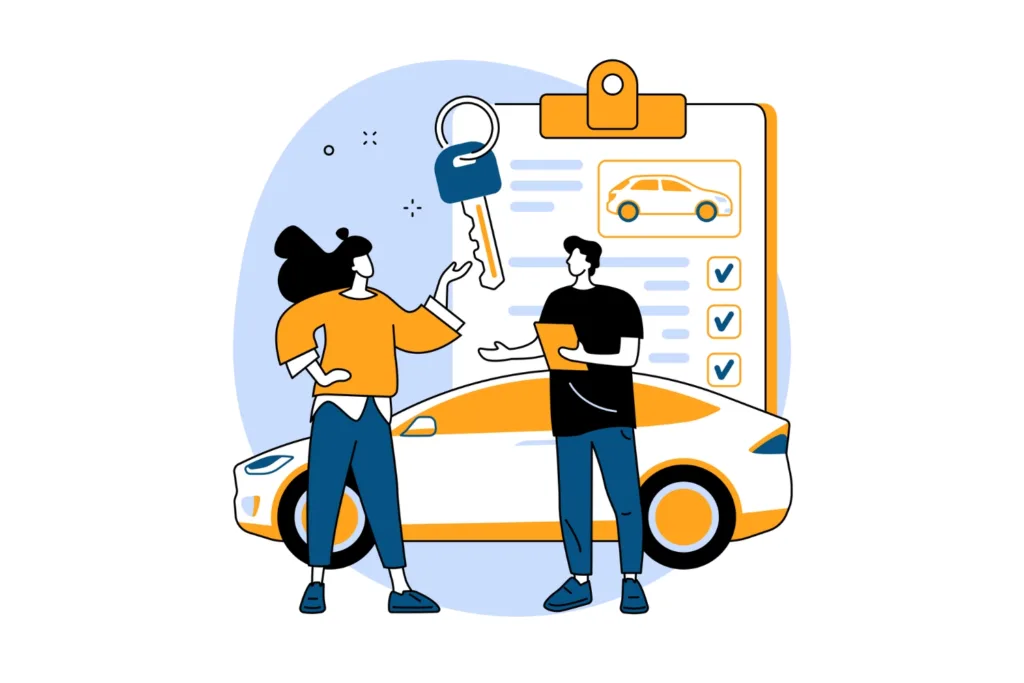
    Two people buying a car with a clipboard of its features

    In addition to generating organic traffic, auto dealer SEO should promote paid traffic to your website. Also known as search engine marketing (SEM) or Pay-Per-Click (PPC), it boosts your search engine rankings through paid search ads. However, aligning your SEO and SEO marketing strategies can produce optimal results for automotive brands. 

    Remember, some users are ready to purchase a vehicle (transactional intent) or are comparing local providers before purchasing (commercial intent). The difference with SEO is that it focuses more on informational search intent and research-oriented queries, like “car buying tips.” 

    Combining SEO and SEM allows your brand to cover all relevant vehicle-related keywords consumers use when searching online. And, Google makes it easy for automotive brands to do so with its Vehicles for Sale and Vehicle Listing Ads.

    The Vehicles for Sale feature allows auto dealers to integrate their inventory directories directly into Google’s search results via your Google Business Profile. Users can apply search filters and browse your inventory outside your website to learn more about a specific vehicle. It also links back to your site when they’re ready to buy. 

    The Vehicle Listing Ads feature matches your vehicle inventory data feed within Google Merchant Center to provide a personalized shopping experience via advertising. Google matches specific car details users search for by displaying relevant vehicle ad listings. They enter the features they want, like location, mileage, and price, and an ad listing is shown.

    Monitor Your SEO Marketing Strategies

    While everything we mentioned is auto dealer SEO best practices, that doesn’t mean it’ll always generate the results you want. Google’s algorithm and car consumer demands are consistently changing—especially with various technologies disrupting the SEO landscape, like AI content writing and Search Generative Experience

    Continuously monitoring your SEO marking strategies helps you measure their success with data-driven insights. 

    Key SEO metrics to track include:

    • Organic Traffic: Number of users who entered your site without paid search 
    • Keyword Rankings: New, improved, and lost rankings 
    • Clicks: Number of users who clicked on your website
    • Impressions: Number of users your website was displayed to
    • New Backlinks: Number of websites linking back to your site from theirs
    • Top Pages: Website pages that generated the most traffic 
    • Local SEO Visibility: Number of calls, clicks, and search views of your Google Business Profile
    • Indexed Pages: Number of pages that Google indexed (stored) in their database, including those that couldn’t be indexed

    While KPIs will vary depending on your SEO goals, you can find these metrics in Google Analytics, Google Search Console, and SEO platforms. 

    Turbocharge Your Dealership’s Online Traffic with an Auto SEO Agency

    As an auto dealer, driving sales and investing in SEO can be time-consuming. You have to manage your company and your trade while understanding the importance of SEO. 

    Let our automotive SEO experts do the heavy lifting for you. At Reach Marketing Pro, we have extensive SEO experience in the automotive industry. We’ve worked with used and branded car dealerships and auto parts brands to enhance their online presence for their bottom line.

    From website designs and optimizations to multiple GBP location management and content writing, we can supercharge your SEO efforts for optimal results. We’re fully transparent with in-depth monthly SEO reporting to continuously measure your strategy’s success. 

    What makes us stand out is our tailored automotive SEO services. 

    Our Dealer VIP Program boosts sales for your vehicles in production like SEO content writing for the customer reservation process and designing custom home page slider graphics.  

    Our Absorption Boost package streamlines your customer’s buying process, like mobile QR codes to scan specials easily within OEM and Google’s guidelines. 

    Ready to rev up your automotive brand’s rankings?

    Learn more about our SEO services or contact us for help today!

  • Vehicles for Sale & Vehicle Listing Ads: A Strategy for Automotive Dealerships

    Vehicles for Sale & Vehicle Listing Ads: A Strategy for Automotive Dealerships

    What Are Vehicles for Sale and Vehicle Listing Ads?

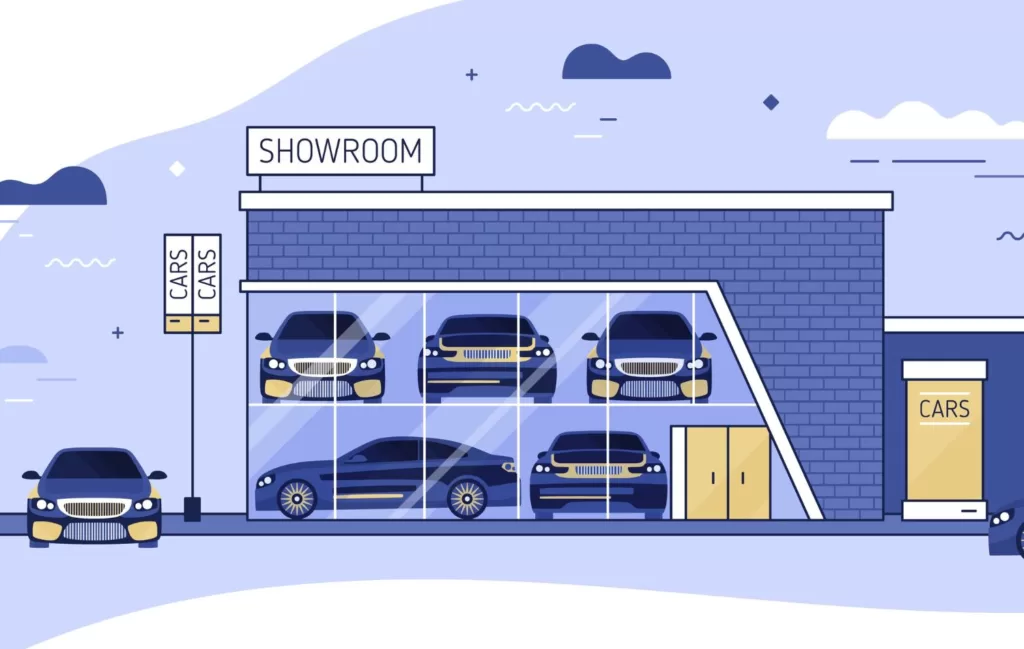
    Illustrated image of a dealership displaying vehicle inventory

    Vehicles for Sale Listings are comprised of inventory directories located directly within search results through the dealership’s Google Business Profile, formerly Google My Business. Basically, how it works is prospective or repeat customers search and apply filters to navigate through the dealership’s inventory, outside of their direct website, to learn more information about a specific vehicle. Once they find the vehicle they want, it will potentially direct them straight to the dealership to make a purchase.

    Vehicle Listing Advertisements are set up after you create a vehicle inventory data feed with the Google Merchant Center. With the added information, Google will then match the details to potential shoppers with the relevant vehicle makes and models they’re searching for. From a buyer’s perspective, think of it as Google being your personal shopper. You put in the features you want, and it provides relative vehicles you can see or a dealership that can ship it to you. All the information about your chosen vehicle will be at the touch of your trackpad—location, make, model, price, mileage, and more. All you’ll have to do next is contact the dealership to get the vehicle.

    Are These Features Worthwhile for Dealership Marketing?

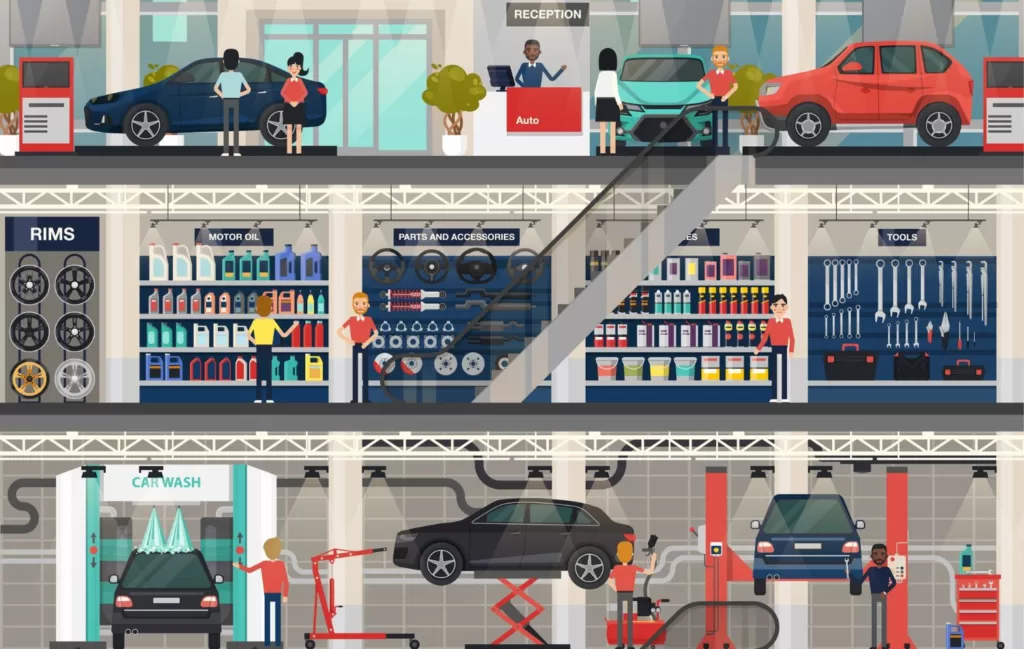
    Illustration of the manufacturing process of car making to the point of sale at a dealership

    Since Google launched its new vehicle ads platform, it has helped dealerships reach new buyers much easier and faster via smartphone. This digital transition resulted in fewer buyers wanting to visit automotive dealerships and using online vehicle buying as a valued alternative to visiting dealers and test driving on the lot. It can be time-consuming to set up a Google Merchant Center since the process begins with creating the inventory for each feature, maintaining it, managing incoming available vehicles, and ensuring leads are tracked, etc. But when looking at the long-term effects and weighing the benefits versus the costs, the results are very much worth the effort.

    Take the statistics into account! Google claims that dealerships who’ve used Vehicle Listing Ads with existing search campaigns increased their conversion rates by 25%, with some seeing as much as 55% or more! Now that’s some premium fuel to kickstart your dealer’s engine.

    Can a Private Seller Create Vehicle Listing Ads?

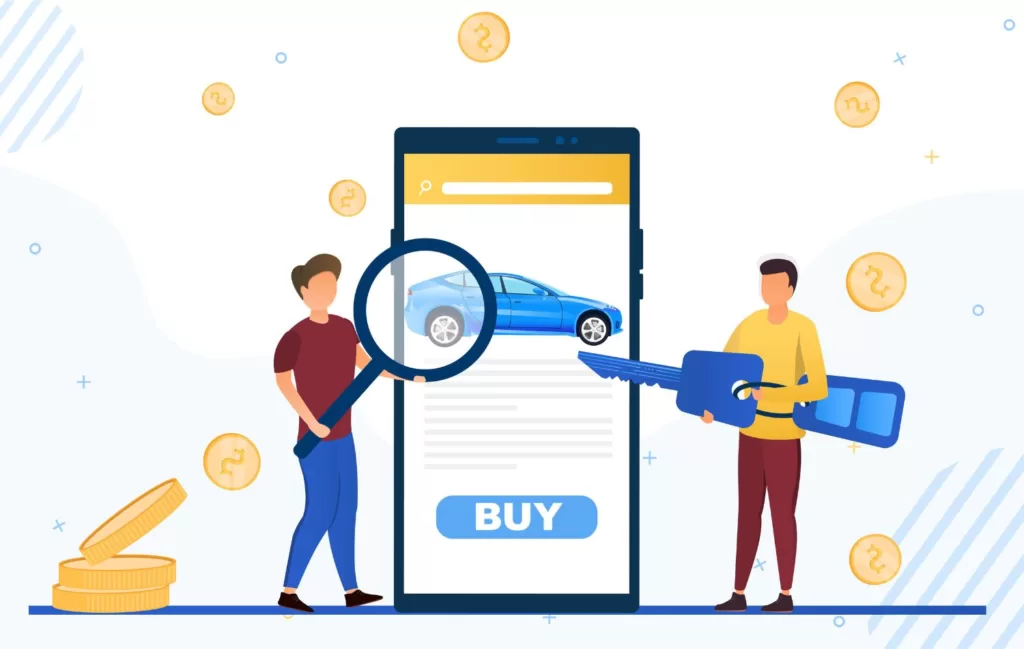
    Illustration of two men shopping for a car on a phone

    Unfortunately, for those who are not a verified dealership, vehicle ads from private sellers, individuals, or automotive brokers are not permitted. Currently, the vehicle ad platform can only be used for dealers who advertise non-commercial passenger vehicles. However, with evolving supply and demand, available offerings can certainly change in the future.

    Other vehicle types that are prohibited, along with non-commercial passenger vehicles, include, but are not limited to:

    Recreational vehicles (such as RV’s, motorhomes, trailers, etc.)

    Farm vehicles and equipment

    Buses of all kinds

    Two-wheelers

    Trains

    Boats

    Airplanes, and

    Outdoor utility vehicles

    Hitch a Ride to Greater Marketing Capabilities & Sales Opportunities with Us!

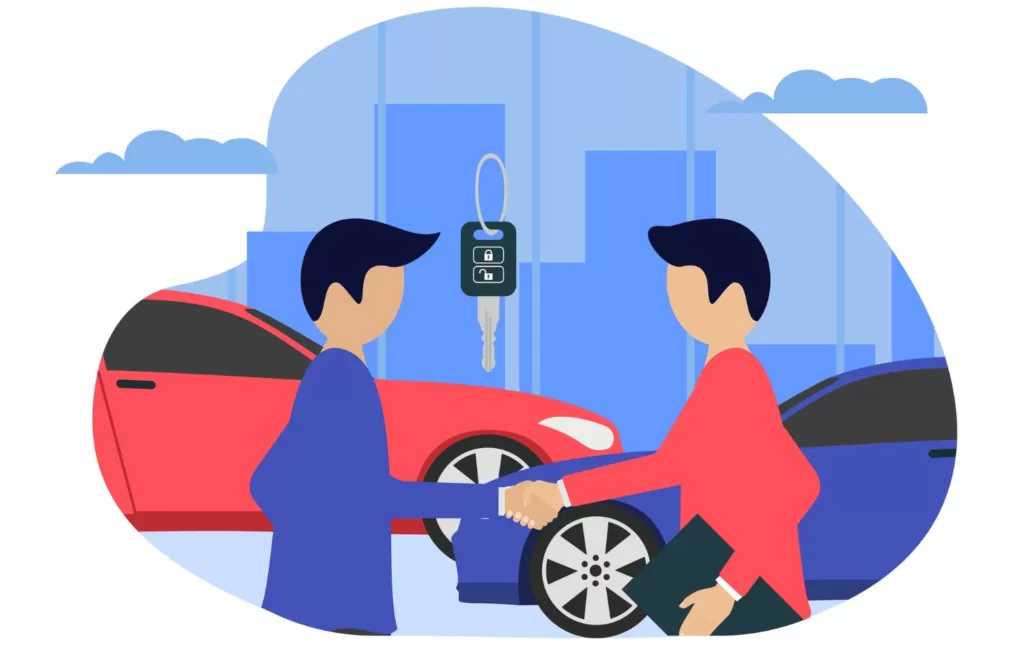
    Illustration of two men shaking hands after one sells the other a car

    The post-pandemic world has revolutionized the car-buying process, including customer behavior. Stay-at-home orders triggered a massive shift to online shopping and the trend has only increased since. It’s necessary to remain ahead of the evolving demands and expectations by adapting to market needs. With that being said, the need for online shopping has reached a new level. Don’t allow your dealership to have a downward turn; let the newfound need to go “digital” initiate a drive to remain competitive in an ever-changing marketplace! For any dealership, being the top automotive provider is the goal and is critical for long-term business growth.

    Since Google implemented Vehicles for Sale and Vehicle Listing Ads in 2021, our team at Reach Marketing Pro has worked hard to perfect their process. Don’t rely on trying to perfect your own system; instead, let us take the wheel and drive you down victory lane. We’ll do the grunt work and put the pedal to the metal so that your dealership does what does best—sell vehicles!

    It’s time to hit the gas; contact us today to learn more.