Tag: Services

  • How to Know When You’re Ready for a PPC or Paid Social Campaign

    How to Know When You’re Ready for a PPC or Paid Social Campaign

    Defining These Two Different Ad Campaign Types
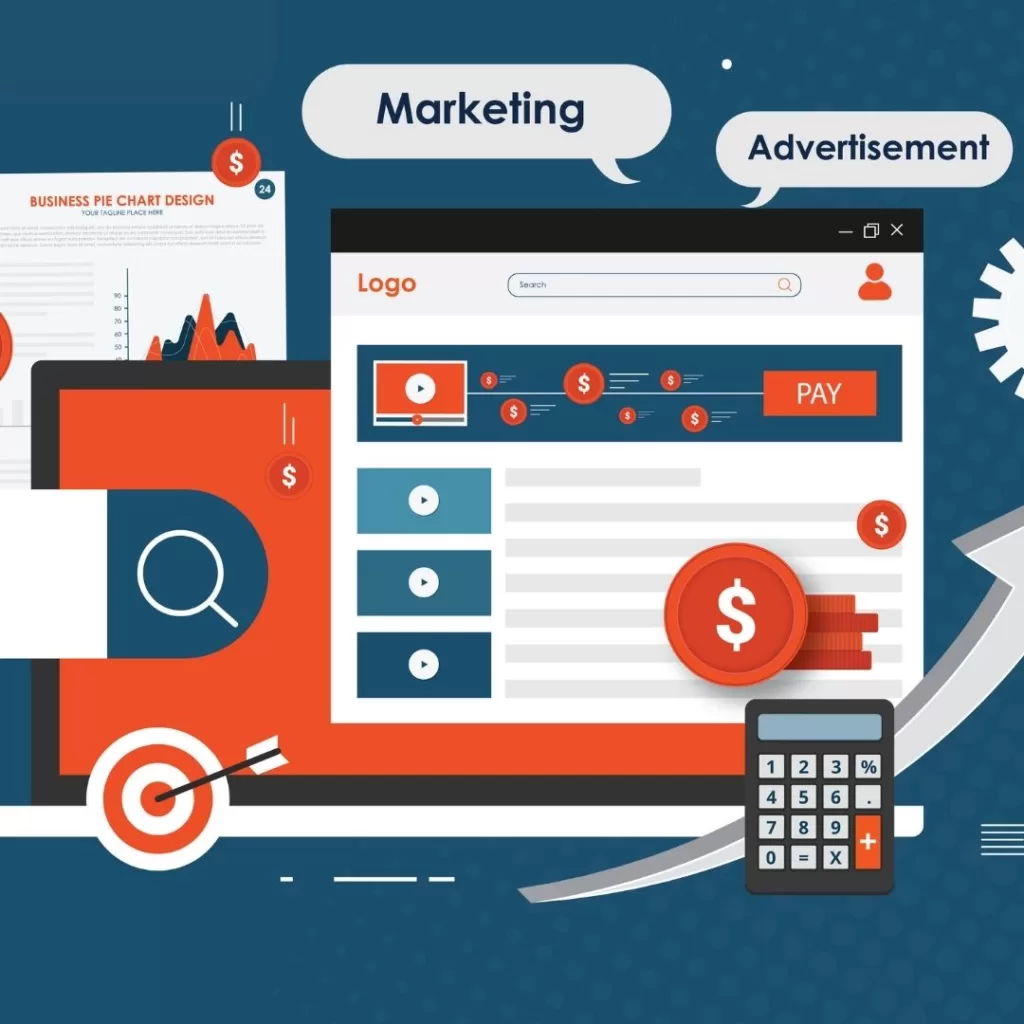
    Illustration with a webpage, calculator, search bar, and marketing terms

    Let’s define the difference between both types of advertising campaigns:

    Pay-Per-Click (widely known as PPC) is a form of digital advertising in Search Engine Marketing. (SEM) where the advertiser pays a fee (how much they pay is based on the types and amounts of keywords are selected) each time their ad is clicked by a user. Paying for each visit to either a landing page or APP on a website allows for a faster, more efficient result than only utilizing organic search engine optimization (SEO) to gain foot traffic.

    Some examples of PPC you would see are:

    Google Search Ads (formerly known as Google AdWords) – an advertising service by Google that allows businesses to display advertisements on Google search results and its advertising network.

    Google Shopping Ads – a type of ad that features details about specific products that you sell.

    Display Advertising – a type of online ad that combines text, images, and a URL that links to a website where a customer can learn more about or purchase a product.

    Remarketing Ads – a tool that lets you customize display ad campaigns for customers who previously visited a website and tailors future ads to these visitors when they browse the web or APPs.

    Paid Social Media (known as Paid Social) is another search engine marketing (SEM) tool that displays advertisements or sponsored marketing messages across popular social media platforms and targets a specific audience. Examples of Paid Social would include sponsored advertising on Facebook, LinkedIn, Instagram, YouTube, and more.

    Why You Should Consider Using These Types of Advertisements
    Illustration with a man and a women waving in front of a desktop screen that has "ad" on it

    Think of it this way: billions of people use search engines and social media to browse, research, and purchase products and services. If you have a business and want to find a way to get your name out there, consider PPC and Paid Social. While both allow targeting specific audiences or consumer persona, PPC and Paid Social differ slightly. Social platforms allow you to target customers based on age, interests, and location, enabling you to customize your paid social ads and promote your brand effectively. By putting the right practices in place, you’ll drastically increase conversion rates for your product or service to generate awareness. The more awareness you promote, the higher the chance a customer will purchase what you’re selling.

    When Is the Best Time to Integrate These Methods into Your Digital Marketing Strategy?
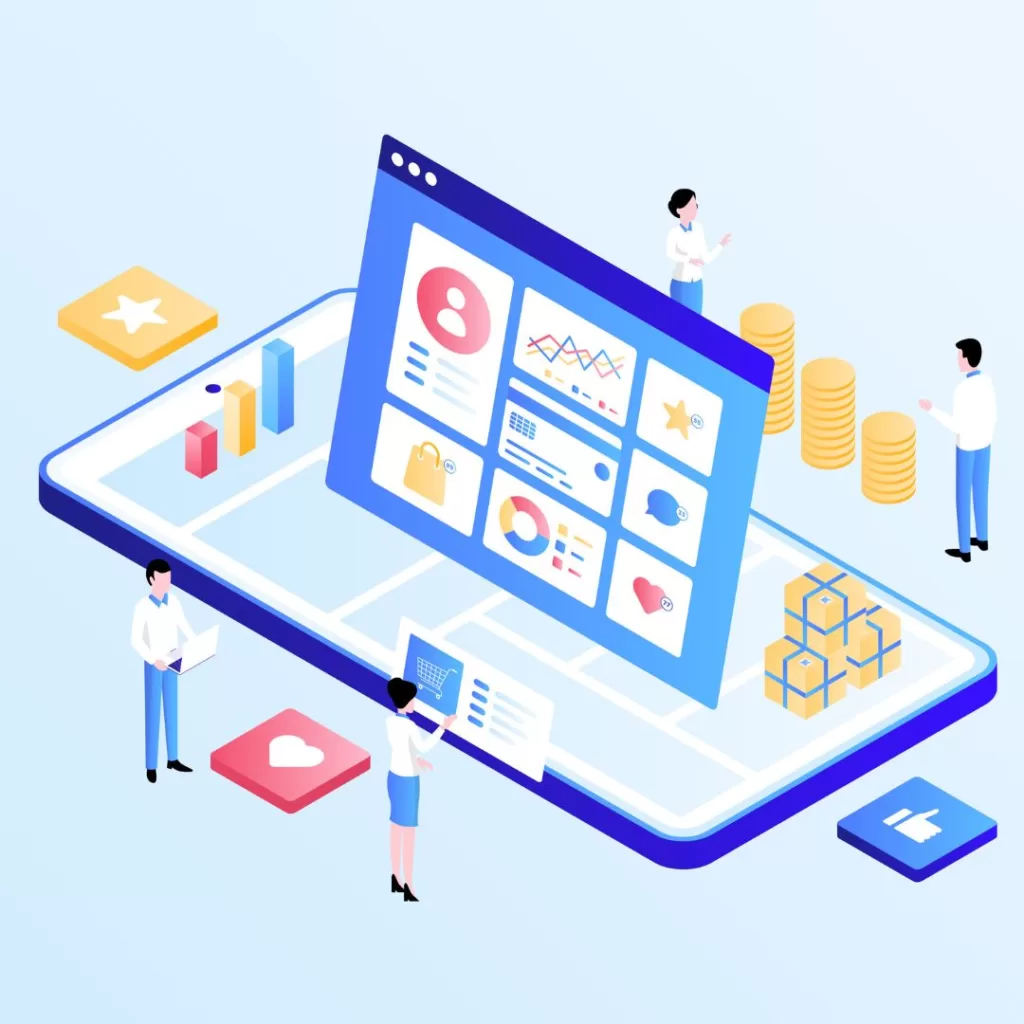
    Illustration of four people surrounding a screen with analytics on it

    Although each PPC and Paid Social campaign will vary in terms of when it’s best to integrate, the most optimal time would be based on your team’s overall digital marketing objectives and goals.

    Let’s dive deeper; for example, the best time to launch your first (or next) Pay-Per-Click campaign would be when you want to generate quick results. Don’t forget to incorporate Organic Search Engine Optimization (SEO) and Search Engine Marketing (SEM) campaigns, as they work beautifully in tandem with each other (see our latest blog here). It takes time for SEO to show results, while a PPC campaign generates results almost instantaneously.

    **Please note any campaign, whether organic or paid, should be monitored and modified across 3 months, ideally.

    Paid Social Media campaigns focus on generating awareness for a specific product or service through multiple social media channels. Since, as mentioned before, billions of users utilize social media daily, the potential to reach an enormous target market is much higher. So, take this as an opportunity to engage with the users you’re targeting over time to maximize content, boost brand awareness, gain mobile access, and gather detailed market insights for future campaigns.

    Tips For Managing Your PPC or Paid Social Media Campaigns
    Illustration of mechanical gears with different icons in the middle

    How can you win with a Pay-Per-Click and Paid Social Media Campaign? Here are some go-to tips:

    1. First, determine your PPC’s campaign structure.
    2. Next, refine your landing pages.
    3. Establish a keyword strategy based on research.
    4. Launch ads based on insights from research.
    5. Share your campaign plan with teams and stakeholders.

    Don’t make mistakes others have made. Keep an eye out for the following:

    1. Building out a single basic campaign without utilizing Google Ads’ Ad Group Tool.
    2. Only creating keywords based on “gut feeling” and not from research.
    3. Not adding “negative keywords” to avoid wasting the budget.
    4. Using landing pages that are not engaging and generate zero leads.
    5. Setting budget caps and going live without informing anyone.

    Let Our Team of PPC & Paid Social Media Experts Start Your Campaign on the Right Foot
    Illustration of a laptop with "ads" and "click" text on the screen with a cursor

    Your business will reap long-term rewards by aligning your search engine marketing (SEM) strategy. By analyzing and monitoring key performance indicators (KPIs), we partner with you to ensure proper setup, monitoring, analysis, evaluating, and targeting for your audience. Our team at Reach Marketing Pro are your experts in Digital Marketing and SEM. We are your go-to resource for all things: Google My Business Experts, Google Partners, Google Analytics Certified, SEMrush Experts, Schema/Structured Data Markup Experts, Accelerated Mobile Pages (AMP) Implementation qualified, and Google Tag Experts.

    For every client, every month, we don’t leave your advertisements untouched. Reach out to us today to launch your next campaign!
  • How to Optimize Website Pages for Google Discover Traffic

    How to Optimize Website Pages for Google Discover Traffic

    Well…What Exactly is Google Discover?

    Google Discover is a feed that appears on the homepage of Google’s iOS and Android application (APP) as well as the mobile Google.com homepage. When utilizing Google Discover, users can personalize their feeds so they can visualize content that directly aligns with them. This is separate from Google Search Ads because, with Discover, people aren’t required to enter a search query to have this interest-specific content visible. Essentially, Google Discover replaces the Google feed on mobile devices and provides relative content that is specific to the likes and interests of the user based on their mobile (iOS and Android) activity.

    Google Discover, Google News, and Google Alerts – They All Seem Quite Similar but They are Quite Different

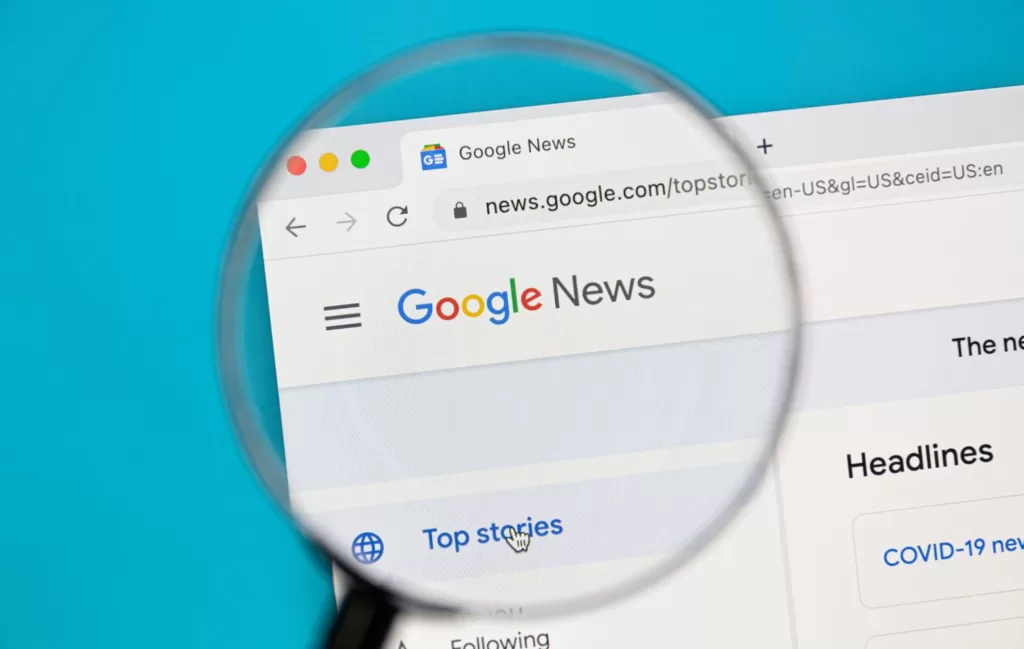
    A magnifying glass over the Google News search page

    Google News versus Google Discover

    Aside from Google Discover, Google News features news headlines, local weather, and the top stories of the day on the main page, while promoting fact-checking on the right-hand margin. Specifically, Google News is an aggregator service that presents a continuous flow of backlinks to articles organized from thousands of publishers and magazines. It is available for users on a mobile application via Android and iOS as well as online.

    Google Discover, however, utilizes artificial intelligence to show users the information they may want to see, or have shown previous interest in. As a replacement for the Google Feed, it surfaces relevant content to the user, even when they’re not searching.

    Google Alerts versus Google Discover

    Google Alerts is a content change detection platform that is based on a free notification service. Essentially, it notifies the user via email when it finds new results, such as web pages, newspaper articles, blogs, or scientific research that matches the user’s search term(s). Aside from Google Discover, it’s been known that Google alerts haven’t been the most effective in terms of accuracy. With Google Discover, everything the user sees is based on their specific search history, rather than alerts they might not be interested in anymore.

    Why You Should Optimize Your Webpages for Google Discover Traffic

    Illustration with a man looking at a phone with the text "search" and a search bar beneath it

    Although Google Discover isn’t a prioritized platform that digital marketers keep in their immediate toolbox, it is one businesses are leveraging to grow, further develop their brand, and reach new customers. Optimizing your content for Google Discover allows your content to have a higher chance of reaching a larger audience due to its personalized approach. There will even be times when you’ll generate much more traffic through Google Discover than you would with organic search. For your marketing content to appear on Discover, it should be of top quality with your web pages indexed by Google. Discover helps your brand become relevant to what the user seeks. Based on what they search for and have an interest in, Discover brings your content that matches the user’s interests to the forefront, which optimizes your pages, increases conversion rates, and boosts your brand’s credibility.

    How to Optimize Your Website for Google Discover Traffic

    Illustration of a man running up stairs

    Content is automatically eligible to appear on Discover as long as it’s indexed by Google and meets Discover’s content policies. To get there, it is best to follow the below recommendations to optimize your website and web pages to improve your online foot traffic:

    • Ensure that your Google Business Profile, formerly Google My Business (GMB) is created fully and working properly.
    • Confirm that your Google Business Profile (GBP) is verified on Google. If it isn’t, learn how to verify it here.
    • Adhere to and comply with Google’s content policies.
    • Consider and implement a “Mobile-First” approach by starting from within and optimizing existing products/services for mobile users.
    • Make sure you develop a mobile approach that prioritizes the user experience (UX), including mobile friendliness and responsiveness.
    • Strengthen your copy and graphics and consider current events for future content that is relevant to what the user wants.
    • Utilize and leverage high-quality visuals such as organic photos and emotionally-triggering videos that bring the user in.
    • Recommend readers to follow your brand by utilizing call-to-actions (CTAs).
    • Research what your competition is doing so you can innovate unique solutions that help you stand out.
    • Write optimized page titles that capture the essence of the content you’re presenting to your target audience.
    • Implement AMP and Schema (structured data) so your content can appear in rich results in mobile search, like the “Top Stories” carousel or “Host” carousel.

    By following these tips and putting plans into motion, you’re well on your way to optimizing your website and being successful on Google Discover.

    How Schema (Structured Data) Helps Google Discover Traffic

    Illustration resembling different devices and device layout

    Schema, a type of microdata that creates an enhanced description that Google may use in search results to share as a snippet of your article, allows the reader to get a sense of what your article is about and how it may bring value to their related query.

    By using this form of structured data, you are essentially helping potential customers find your article easier- meaning a potential lead or conversion! Utilizing this data type can improve the appearance of your site for the relative search result(s), enable you to appear in front of a user that may not have seen your site without it, and increase the readers’ time on your page with the relative query and engaging content!

    There are many types of Schema out there such as Products Schema, Articles Schema, Recipes Schema, Events Schema, and many more. Each one serves its own purpose and there are some Schemas that can help your articles show up in the Google Discover feed. Most of the articles that populate the Google Discover feed often use some form of Schema.

    Illustration of a tablet, with different search related images over it

    For example, you will find that webpages populated in Google Discover may use Schema categories such as CreativeWork which houses structured data markups like Article, NewsArticle, Blog, and HowTo. Pages like this are often trendy and frequently searched for in Google and are perfect for Google Discover. With the implementation of Schema, Google has a lot more data to utilize to build a rich snippet or an enhanced search result page (which is really what Google Discover is).

    Aside from Schema, AMP is very important too. Google Discover feeds are mobile-only and having your website set up with Accelerated Mobile Pages just speaks for itself. Unfortunately, there is no secret sauce or surefire way to get your content into Google Discover, but utilizing Schema and AMP will increase your chances of showing up in the sought-after Google Discover feed and increase mobile traffic from Google Discover.

    Google Discover Will Keep You Ahead of the Competition & Stay Relevant in Your Consumer’s Minds or at Least on Their Phones…and We Can Help!

    At Reach Marketing Pro, our team of search engine optimization (SEO) experts will optimize your website and web pages to outperform your local competition and gain more visibility/exposure for your business. We partner with you and your business to look through your unique lens and grow your brand across multiple forefronts in the digital marketing realm. Whether you are familiar with the process of Google Discover or not, it’s always recommended to obtain a professional consultation on expert services to ensure that you are truly optimizing every aspect of your business’s online visibility can achieve. Leverage one of Google’s newest and most critical features to become a staple in your industry today by getting in touch with our team here.

  • Why You Should Align Your SEM and SEO Marketing Strategies

    Why You Should Align Your SEM and SEO Marketing Strategies

    Search Engine Marketing vs. Search Engine Optimization – Serving Two Different Search Intent Purposes

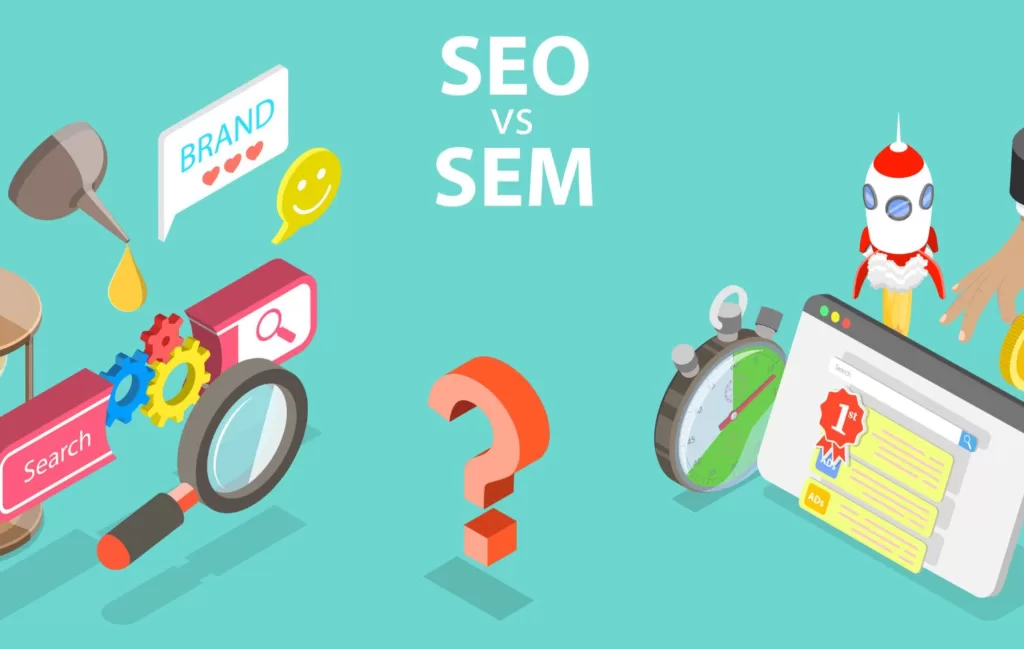
    Illustration with SEO features and SEM features on separate sides

    Let’s explain the difference between SEO and SEM. Search Engine Marketing, otherwise called SEM or Pay-Per-Click (PPC), is a form of paid search that costs a business money to boost its ranking or placement in search engines.

    Search Engine Optimization is a strategy that helps increase a business’s placement in search engines. You’re probably wondering, why pay for SEM if SEO is free?

    Overall, Search Engine Marketing has a greater impact compared to Search Engine Optimization, because SEM focuses on the customers’ intent (what they type into the Google search bar). For instance, when a customer types in “jeans for sale” or “best sushi near me” these searches show that the customer intends to buy and convert a lead into a sale. Paid search (SEM) is a perfect match for this marketing strategy, as it increases your return on investment (ROI).

    Where SEO comes on top is when search queries are more research-oriented and informational rather than based on user intent. “How to crochet a baby blanket” or “when does the World Cup start” are research-based searches that focus on retrieving answers or solutions. Rather than using the searches to purchase a product or service, the intent is to learn something new. Understanding intent is a critical component to understanding digital marketing. Although Search Engine Optimization doesn’t technically generate revenue, it doesn’t mean that you should scratch it completely. The reason why is while a customer discovers your content, they’ll become a customer eventually. SEO works on building trust with users and fostering long-term relationships. Understand the unique benefits SEO and SEM provide, and utilize them to spearhead a powerful digital marketing strategy.

    Why You Should Integrate SEM and SEO

    Illustration with a person and their shopping cart in front of a search page

    Now that you know what SEO and SEM do; it’s time to combine what they both do and implement them into a cohesive digital marketing strategy by building off the “search intent” discussion mentioned earlier. It’s time to put what you learned into action!

    First, we need to create a list of SEO-driven keywords that are relevant to your brand. Then, separate them into three individual lists based on the level of intent. For example, one list would be for buyer-intent keywords to drive sales, one list would be for research-intent to boost Google Search rankings, and the other list would be for middle-ground intent keywords where it’s more challenging to decipher between an intent to buy/convert or an intent to research/learn.

    Putting these best practices into place will help you utilize your paid search marketing budget more efficiently by focusing heavily on crafting targeted keywords relative to an intent to convert. Placing research-based keywords that are meant for Search Engine Optimization into the Search Engine Marketing/Pay-Per-Click marketing strategy can cost more in the long run without seeing a positive ROI. If your PPC budget allows for increased spending on more buyer-intent keywords with money left over, then add in more research-based keywords.

    Illustration with a laptop that has different search results on it

    The overarching purpose of aligning your SEO and SEM strategies together is to prevent unnecessary expenditures on paid searches. Both SEM and SEO heavily rely on keywords—that’s what drives traffic. Targeting keywords through SEO research that’s relative to research-based keywords saves you money in your SEM/PPC marketing approach. This way, you’re covered in each step of the online journey for buying a product or service since the user will always research (SEO) before making a purchase (SEM).

    So, if you haven’t learned already, boosting both of these marketing strategies will drive enormous potential to launch a powerhouse digital marketing team that increases brand awareness, drives recognition, and boosts a higher ranking in Google Search engines through a multi-touchpoint approach.

    Trends to Keep in Mind for Your SEO and SEM Strategy

    Illustration of a woman holding a magnifying glass over the large text "trends"

    Trends are always changing. Here are key things you should prioritize to initiate an effective digital marketing strategy:

    Ensure your website is SEO-friendly. Incorporating optimized keywords that associate with your business, brand, and target customer will generate digital foot traffic and increase the chances of user purchases.

    Maintain a friendly user experience (UX) when updating your website content. Creating an enjoyable and simplified experience for new and returning customers will not only boost brand loyalty but also drive more traffic to your site.

    Craft a mobile-first experience. Curate an approach that innovates product design for mobile devices first. That way, your website will be accessible across multiple digital channels, no matter if a customer is on their phone or computer.

    In a growing digital age, data-driven campaigns will continue to grow and become more accessible in the future. As technological advances continue, there will be an increased ability to personalize SEO and SEM campaigns as well as target opportunities for paid advertisements.

    Please note: always ensure the data you receive is not crossing illegal boundaries, as privacy is a highly debated topic.

    When do These Two Specific Strategies Become Essential to Your Marketing Operations?

    Search Engine Optimization and Search Engine Marketing are both essential strategies to a company’s marketing operations. It doesn’t matter if someone is just starting a business or has been working for an established corporation for over a decade—you should implement SEO and SEM into the overall marketing plan. If an entrepreneur isn’t familiar with either of these two marketing strategies, invest the time to research and learn the ins and outs of them or hire a marketing professional.  

    What Happens If I Don’t Utilize SEM and SEO Together?

    Illustration of puzzle, with 3 out of 4 pieces, and a man standing where the missing piece is

    To keep it simple, not utilizing SEO and SEM strategies will not allow your business to make a maximum impact on a digital scale. For example, if you don’t use promotions with Paid Social or Pay-Per-Click (PPC) Campaigns, your business won’t generate promotional growth and increase product awareness. Putting your brand out there is what will drive traffic. Not refreshing your website content or leveraging proper Search Engine Optimization practices can result in a poor Google Search ranking or minimal website traffic. Not using SEO or SEM strategies together will cost more in the long run. If you want to grow your business, find ways to develop and implement digital marketing strategies that incorporate SEO and SEM.

    Let Our SEM & SEO Experts do the Hard Work for You!

    We live and breathe digital marketing; we are Google My Business Experts, Google Partners, Google Analytics Certified, SEMrush Experts, AMP (accelerated mobile pages) Implementation Qualified, and Google Tag Manager Experts. As your digital implementation leader, we’ll partner with you to combine data-driven strategies and optimize performance with both your SEO and SEM marketing campaigns. Want to get the most out of your digital marketing?

    Contact us today to discuss your budget and establish your next steps.

    Don’t try and do it all—let us leverage tactical practices to improve your business’s search ranking and conversion rates.

  • Vehicles for Sale & Vehicle Listing Ads: A Strategy for Automotive Dealerships

    Vehicles for Sale & Vehicle Listing Ads: A Strategy for Automotive Dealerships

    What Are Vehicles for Sale and Vehicle Listing Ads?

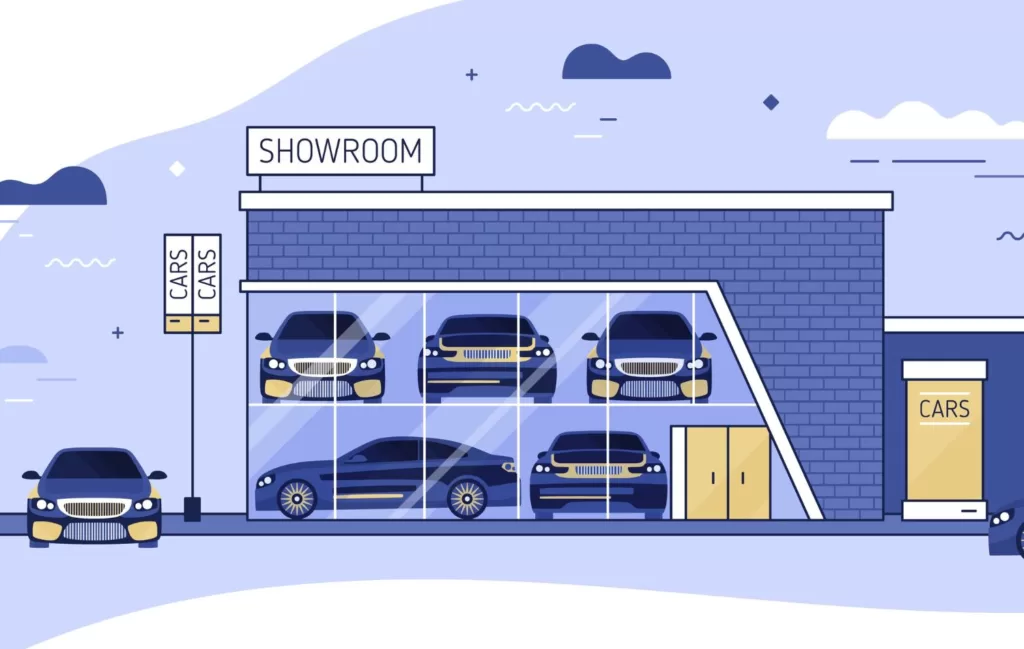
    Illustrated image of a dealership displaying vehicle inventory

    Vehicles for Sale Listings are comprised of inventory directories located directly within search results through the dealership’s Google Business Profile, formerly Google My Business. Basically, how it works is prospective or repeat customers search and apply filters to navigate through the dealership’s inventory, outside of their direct website, to learn more information about a specific vehicle. Once they find the vehicle they want, it will potentially direct them straight to the dealership to make a purchase.

    Vehicle Listing Advertisements are set up after you create a vehicle inventory data feed with the Google Merchant Center. With the added information, Google will then match the details to potential shoppers with the relevant vehicle makes and models they’re searching for. From a buyer’s perspective, think of it as Google being your personal shopper. You put in the features you want, and it provides relative vehicles you can see or a dealership that can ship it to you. All the information about your chosen vehicle will be at the touch of your trackpad—location, make, model, price, mileage, and more. All you’ll have to do next is contact the dealership to get the vehicle.

    Are These Features Worthwhile for Dealership Marketing?

    Illustration of the manufacturing process of car making to the point of sale at a dealership

    Since Google launched its new vehicle ads platform, it has helped dealerships reach new buyers much easier and faster via smartphone. This digital transition resulted in fewer buyers wanting to visit automotive dealerships and using online vehicle buying as a valued alternative to visiting dealers and test driving on the lot. It can be time-consuming to set up a Google Merchant Center since the process begins with creating the inventory for each feature, maintaining it, managing incoming available vehicles, and ensuring leads are tracked, etc. But when looking at the long-term effects and weighing the benefits versus the costs, the results are very much worth the effort.

    Take the statistics into account! Google claims that dealerships who’ve used Vehicle Listing Ads with existing search campaigns increased their conversion rates by 25%, with some seeing as much as 55% or more! Now that’s some premium fuel to kickstart your dealer’s engine.

    Can a Private Seller Create Vehicle Listing Ads?

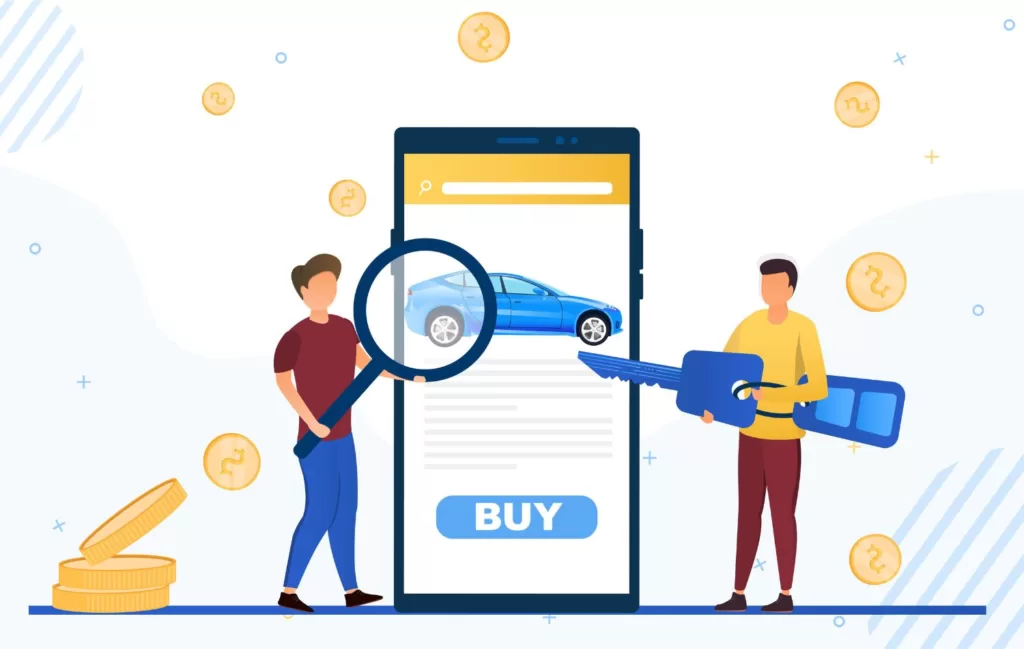
    Illustration of two men shopping for a car on a phone

    Unfortunately, for those who are not a verified dealership, vehicle ads from private sellers, individuals, or automotive brokers are not permitted. Currently, the vehicle ad platform can only be used for dealers who advertise non-commercial passenger vehicles. However, with evolving supply and demand, available offerings can certainly change in the future.

    Other vehicle types that are prohibited, along with non-commercial passenger vehicles, include, but are not limited to:

    Recreational vehicles (such as RV’s, motorhomes, trailers, etc.)

    Farm vehicles and equipment

    Buses of all kinds

    Two-wheelers

    Trains

    Boats

    Airplanes, and

    Outdoor utility vehicles

    Hitch a Ride to Greater Marketing Capabilities & Sales Opportunities with Us!

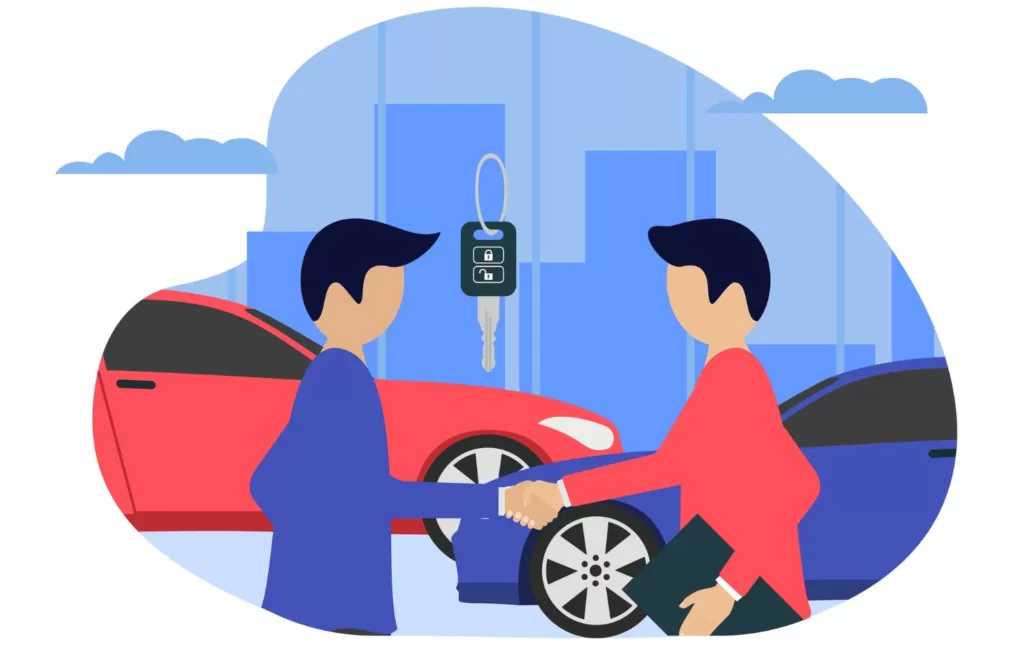
    Illustration of two men shaking hands after one sells the other a car

    The post-pandemic world has revolutionized the car-buying process, including customer behavior. Stay-at-home orders triggered a massive shift to online shopping and the trend has only increased since. It’s necessary to remain ahead of the evolving demands and expectations by adapting to market needs. With that being said, the need for online shopping has reached a new level. Don’t allow your dealership to have a downward turn; let the newfound need to go “digital” initiate a drive to remain competitive in an ever-changing marketplace! For any dealership, being the top automotive provider is the goal and is critical for long-term business growth.

    Since Google implemented Vehicles for Sale and Vehicle Listing Ads in 2021, our team at Reach Marketing Pro has worked hard to perfect their process. Don’t rely on trying to perfect your own system; instead, let us take the wheel and drive you down victory lane. We’ll do the grunt work and put the pedal to the metal so that your dealership does what does best—sell vehicles!

    It’s time to hit the gas; contact us today to learn more.

  • What is the Best Automotive Marketing Strategy?

    What is the Best Automotive Marketing Strategy?

    There Should Be a Focus on Comprehensive Dealership Marketing Strategies

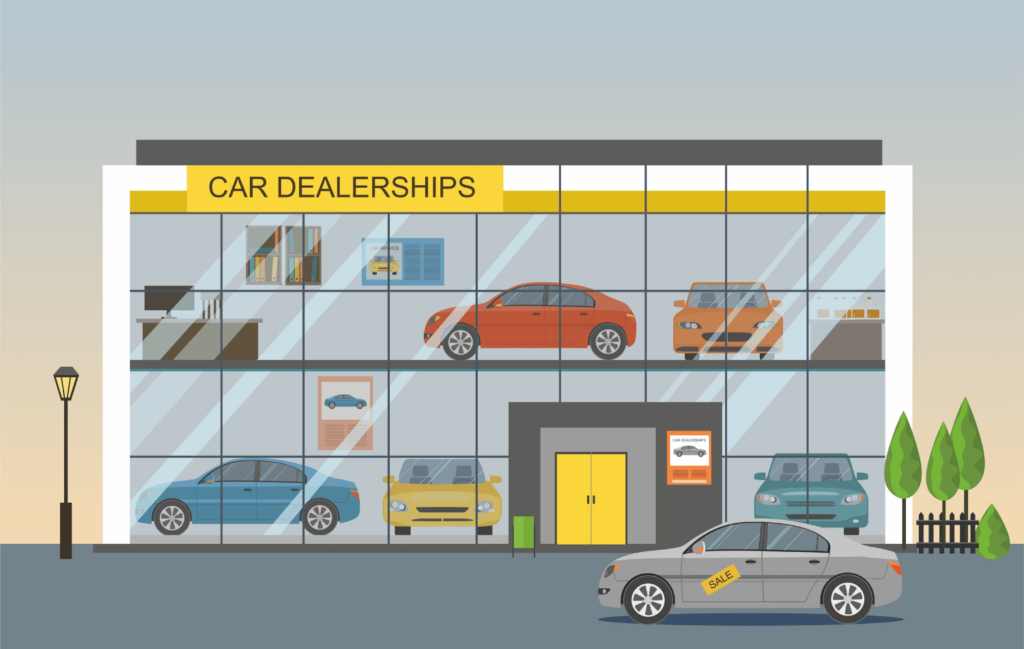
    Illustrated image of a gray car with a "sale" sign on it. Behind the gray car is a glass building labeled "Car Dealership" with multiple vehicles inside

    When trying to find the answer to a never-ending question, begin with a simple Google search. Sometimes, the best answer could be right in front of you at the top of the web page. If you were a customer looking to purchase a new vehicle, you would first go to google to find the nearest dealership. Second, you would look at their online business reviews and overall reputation. If everything seems promising, you will then schedule a time to visit the lot and test drive. On the other hand, another way would be to listen to or see an advertisement on the radio, TV, or in print advertising spots.

    Having a comprehensive automotive marketing strategy is the best way to promote your products and services. Rather than focusing on quick-fix solutions for customers, implementing a slow and steady marketing strategy could show better benefits in the long run.

    It’s important to remember that your focus cannot just be on one strategy, but on every component of your marketing plan. By covering all of your bases, it will allow your team to reach the maximum number of prospective customers. Having a strong auto marketing strategy is not just about having positive online reviews, but optimizing your dealership’s Google search ranking, online presence, brand exposure, and customer loyalty.

    How To Improve Your Automotive Marketing Efforts

    A comprehensive marketing plan is comprised of multiple components that are critical to a dealership’s success. Let’s take a look at each one and how it plays a role in having a successful automotive marketing strategy. The more moving parts your train has, the better it will perform.

    SEO

    Search Engine Optimization (SEO) is a process that generates new traffic to your website from free, organic, editorial, or natural search results in search engines. When your dealership’s website is optimized properly with rank-worthy content, users will be able to easily navigate and see what you have to offer, making it compelling and unique from other dealership websites, which will be the key to winning.

    Local SEO

    Local SEO is a subset of Search Engine Optimization. However, it specifically affects the visibility and ranking of your dealership’s website or web pages in a local geographic area. If your dealership has a physical location or serves as a geographic area, it can benefit from local SEO.

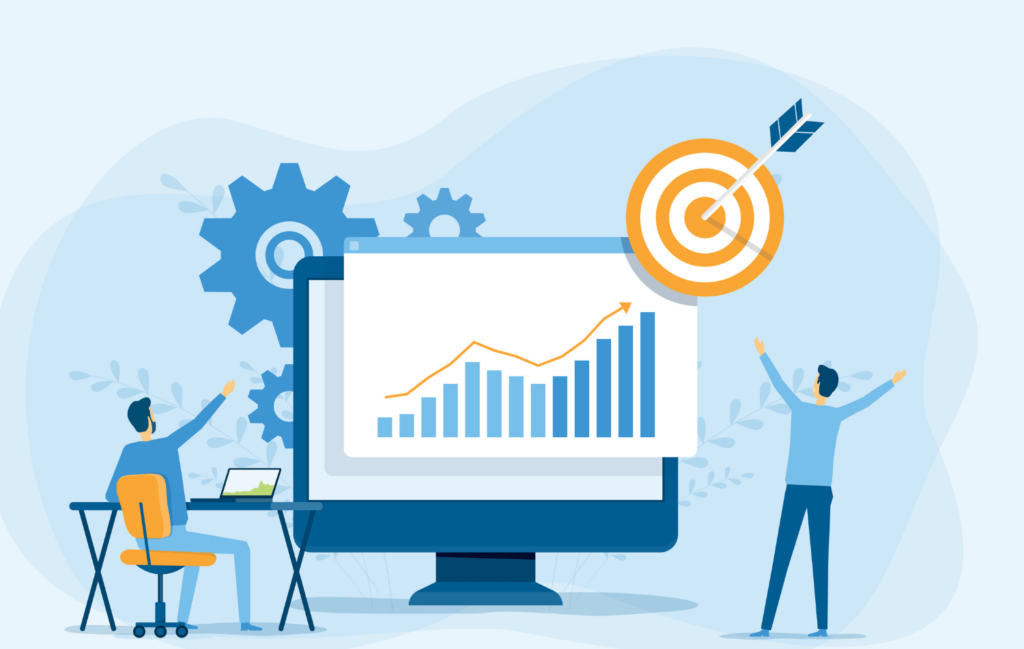
    Mostly blue illustration with two figures looking at a target and chart

    SEM/PPC

    Search Engine Marketing (SEM) is a digital marketing strategy that is used to increase the overall visibility of a website in search engine results pages (SERPs). Leveraging clever paid search campaigns will benefit your dealership’s brand and capitalize on inventory-specific campaigns for new, used, and certified pre-owned vehicles. Pay-per-Click (PPC) is a type of internet marketing strategy that makes advertisers pay a fee each time their ad is clicked on by a prospective customer. Tracking to see how many times an ad is clicked on will show how effective the advertisement is.

    Social Media Marketing

    Social Media Marketing is an essential tool to integrate into your auto marketing strategy because it allows your team to promote its brand, its products, and its services across multiple social channels (Facebook, LinkedIn, Instagram, Twitter, Tik-Tok, etc.). Since each social outlet has its own unique audience, creating dynamic content will help capture more customers and generate leads.

    Reputation Management

    Reputation Management is a marketing and public relations effort that works on how your dealership influences what and how people think of your brand. For example, think of the difference between receiving a 5-star review and a 1-star review. Some customers may choose a different dealership due to seeing a 1-star review online. Maintaining a strong online reputation will help strengthen your customer loyalty and overall brand development.

    Fixed Operations Marketing

    Fixed Ops Marketing has been a long-time struggle for automotive dealerships. Paying close attention to this marketing strategy will allow you to take back control of the business and drive traffic into the service department. Steadier service traffic makes staffing needs easier, and an increase in volume always adds a boost in productivity! So even during slower months, the business will grow.

    Suite of Automotive Products & Services Designed to Boost Your Sales

    Illustration of a car dealership with multi-colored cars in front of the building in the parking lot

    Based on what your automotive marketing strategy is focused on, our team has crafted customized product solutions that are created, updated, and monitored for each of our clients. Whether it is to sell more cars, increase your vehicle reservations, schedule more service bay visits, or increase automotive part sales, we have a solution for you.

    • Absorption Boost This cutting-edge product completely overhauls your dealer’s automotive specials, its service center, and parts center web pages to boost its fixed operations. By combining a stronger visualization with a custom design and QR code scan-to-wallet functionality, absorption boost targets surrounding local target areas and users in smart intervals. With an easy-to-navigate specials page, customers will have better functionality to digitally scan, download, and save your coupons on their phone, making the buying process so much easier.

    • Dealer VIP Advantage Have you ever wanted to watch your vehicles in production sell before they even arrive on your lot? Our digital web experts create custom codes for your VIP landing page that shows all vehicles in production ready for pre-order, making it easy for customers to purchase the vehicle they want at the click of a button. Best of all, our Dealer VIP Advantage solution is OEM and Dealership brand-centric.

    Knowing All the Strategies Can Be Overwhelming

    We’re Here to Make it Easy

    As you can see, our professional team at Reach Marketing Pro has expert knowledge in both traditional and digital marketing strategies. Whether you are looking for a one-off service or a full-fledged ongoing campaign, we are here to help create, initiate, assist, and oversee your Automotive Marketing strategy!

    Visit our products page to learn more.