Tag: SEO Marketing

  • Automotive SEO & Content Marketing: How to Rev Up Your Dealership’s Rankings 

    Automotive SEO & Content Marketing: How to Rev Up Your Dealership’s Rankings 

    Whether you’re a dealership or auto parts retailer, investing in automotive SEO is essential to your bottom line. It helps your business show up on Google when consumers search for relevant information, services, and products you offer online. 

    If you aren’t optimizing your SEO marketing strategy for search engines, your brand is basically invisible online to users you want to reach, especially in an oversaturated digital market. You may already be creating SEO content or utilizing Google Business Profile. 

    But, are they generating the results you’re looking for? 

    Auto dealers often make mistakes with their SEO marketing, like using the wrong search intent for blogs or keyword stuffing their websites—which is common! You’re not expected to be an SEO expert. But as a result, you may not see high keyword rankings or web copy that doesn’t convert to sales.

    Our complete automotive SEO marketing guide walks you through the best practices and mistakes to avoid. That way, you can better drive your dealership to the top of the search engine results page (SERP).

    A Guide to Automotive SEO & Content Marketing to Drive Traffic for Your Dealership

    Automotive search engine optimization (SEO) has many facets, including content marketing, local SEO, and more. However, they all share the same focus—generating traffic to your website by strengthening your online visibility. Some SEO automotive marketing strategies have additional end goals, such as converting paid search ads to sales.

    Below are the SEO essentials your auto brand must know to meet your SEO goals effectively. 

    Invest in Local SEO for Your Local Dealership

    Two people looking at videos and reviews of a car listing

    SEO for the automotive industry is especially crucial for local dealerships and auto part retailers with physical stores. You need to reach local target audiences while standing out from competitors nearby. 

    That’s where local SEO comes in. 

    You know local consumers read your reviews and check how you compare to the competition to see if your online reputation is trustworthy. While you may have a Google Business Profile (GBP), it may not be optimized fully or marketed correctly to target local audiences. 

    Some automotive SEO tips for GBP include:

    • Optimizing your business description and image file names with target keywords
    • Creating weekly posts to cross-promote your blogs 
    • Responding personally to all reviews over template-based responses, including your negative ones
    • Diversifying your GBP posts’ call-to-actions (CTAs), like “Learn More” or “Sign Up”—people aren’t always ready to “Buy Now” especially vehicles since they’re a larger purchase 

    Create Valuable & Optimized Automotive Blog Topics for All Funnel Stages

    You know each customer is unique. Every driver isn’t always car-savvy. Some may only know basic information to look for when car shopping, like vehicle history, entertainment features, and test drive comfort. Others may have more technical knowledge, like understanding the powertrain they want for a work vehicle. 

    A vehicle is a significant investment. Drivers nowadays are conducting preliminary research to ensure they’re making the right choice in their car purchase. Creating blogs for users in all funnel stages is key to meeting them where they are in their buyer’s journey by providing valuable, relevant content. 

    The three funnel marketing stages with automotive blog topic examples are:

    • Top-of-Funnel (TOF): How to Buy Your First Car, # Mistakes to Avoid When Purchasing a Used Pickup—for users who need more guidance on basic vehicle information 
    • Middle-of-Funnel (MOF): 2023 vs. 2024 Jeep Wrangler: What’s New, Best Light Duty Pickup Trucks of 2024—for more educated users who need help deciding between options
    • Bottom-of-Funnel (BOF): Auto Part Spotlight: Duramax’s New Diesel Engine, Customer Success Story, New Test Drive Videos—for users who are ready to buy 

    In addition to valuable funnel content, you must optimize all blogs for users and Google to find online, including:

    • Adding backlinks from reputable sites with high Domain Authority to be a trustworthy resource in your industry’s niche—arguably the top keyword ranking factor in SEO! 
    • Using target keywords throughout the body and headings naturally to prevent keyword stuffing
    • Following the right keyword density per your blog’s word count to make it readable for users
    • Including internal links to other blogs and web pages naturally to prevent over-optimizing
    • Cross-promoting your blogs by sharing them on your automotive social media profiles 

    Keyword Research Tips for Automotive Blogs

    Two people conducting keyword research on a computer

    We mentioned common SEO mistakes auto dealers make, like using the wrong search intent in their blogs. Search intent means exactly that—the intent behind a user’s search. 

    The four types of search intent with automotive keyword examples are:

    • Informational (TOF): car financing tips, used car buying mistakes to avoid, etc. 
    • Commercial (MOF): best electric vehicles 2024, tesla cybertruck vs. gmc hummer ev, etc. 
    • Navigational (BOF): auto parts stores in denver co, car dealerships near me, etc. 
    • Transactional (BOF): used pickup trucks for sale, hybrid cars for sale, etc. 

    If a user searches for “vehicles for sale in manhattan” and you create a blog topic on “How to Find the Best Vehicles for Sale in Manhattan,” that’s not what they’re looking for. They’re searching for Manhattan vehicle product listings, not a blog with tips on finding one because it’s a transactional search intent.

    You can verify a keyword’s search intent by simply typing it into Google and checking the SERPs. Do the SERPs show all blogs or product pages? While some keywords may have mixed search intent, if the SERPs don’t show blogs, it’s not the right search intent for your blog content. 

    If you don’t know where to begin with your keyword research, start by conducting a competitor SERP analysis. Enter a keyword into Google and perform a content audit with your SEO software of the top-ranking competitors. Content audits allow you to see which keywords they’re using and uncover content opportunities where you can outrank. 

    For example, you might find many question-based keywords related to a blog topic you’re writing about. You can take this opportunity to create an FAQ section to rank for those keywords if your competition didn’t make one. 

    Optimize Your Website for Search Engines & Users

    As mentioned earlier, another common mistake auto dealers make with their SEO is keyword stuffing their websites in hopes of higher rankings. This practice can do the opposite and harm your keyword rankings instead. 

    Google prioritizes E-E-A-T content (Experience, Expertise, Authoritativeness, & Trustworthiness) to deliver more helpful, relevant information when searching for information. If your website is over-optimized with keywords, it makes your content’s readability less enjoyable and weakens your user experience (UX)

    Remember, you’re also writing for humans, not just search engines.

    Other common SEO mistakes include not optimizing your site for mobile devices or creating a separate website for your blog. A recent study shows that 33% of car shoppers use mobile devices to research vehicles online, and 60% of them would call a dealership from a call extension link. 

    Additionally, hosting your blog elsewhere is basically like having two different websites. Automotive SEO is comprehensive enough. Optimizing for two sites creates more challenges, and your end goal is to drive more traffic to your main site. 

    Website optimization must include on-page, off-page, and technical SEO:

    • On-page SEO is optimizing what’s on your website pages, like keywords and internal links.
    • Off-page SEO is optimizing what’s off your website pages, like backlinks and social media.
    • Technical SEO is optimizing what’s behind your website’s page, like loading speed.

    While this may seem like a lot of information to digest, don’t get overwhelmed with this part. SEO tools and software platforms, like SEMRush and Ahrefs, automate website optimizations for you. Through website audits, they’ll flag areas of your site needing optimization, which types, and how to do it. 

    Some automotive SEO tips for website optimizations include:

    • Implement a search bar with filters on your parts page so users can easily find and shop for products
    • Add QR codes to your specials page so consumers can download coupons and redeem limited-time offers faster
    • Write web copy for your services page so potential customers know what’s included in each of your offerings
    • Optimize your website for desktop and mobile to prevent people leaving from poor user experience (UX), like small text on smartphones and no site breadcrumbs
    • Include target keywords in your metadata, like headings, meta descriptions, and page URLs, for Google to crawl (discover) and index (store) easier

    Website optimizations are about making it easier for your users and Google to discover online.

    Promote Your Inventory with Google’s Vehicles for Sale & Vehicle Listing Ads

    Two people buying a car with a clipboard of its features

    In addition to generating organic traffic, auto dealer SEO should promote paid traffic to your website. Also known as search engine marketing (SEM) or Pay-Per-Click (PPC), it boosts your search engine rankings through paid search ads. However, aligning your SEO and SEO marketing strategies can produce optimal results for automotive brands. 

    Remember, some users are ready to purchase a vehicle (transactional intent) or are comparing local providers before purchasing (commercial intent). The difference with SEO is that it focuses more on informational search intent and research-oriented queries, like “car buying tips.” 

    Combining SEO and SEM allows your brand to cover all relevant vehicle-related keywords consumers use when searching online. And, Google makes it easy for automotive brands to do so with its Vehicles for Sale and Vehicle Listing Ads.

    The Vehicles for Sale feature allows auto dealers to integrate their inventory directories directly into Google’s search results via your Google Business Profile. Users can apply search filters and browse your inventory outside your website to learn more about a specific vehicle. It also links back to your site when they’re ready to buy. 

    The Vehicle Listing Ads feature matches your vehicle inventory data feed within Google Merchant Center to provide a personalized shopping experience via advertising. Google matches specific car details users search for by displaying relevant vehicle ad listings. They enter the features they want, like location, mileage, and price, and an ad listing is shown.

    Monitor Your SEO Marketing Strategies

    While everything we mentioned is auto dealer SEO best practices, that doesn’t mean it’ll always generate the results you want. Google’s algorithm and car consumer demands are consistently changing—especially with various technologies disrupting the SEO landscape, like AI content writing and Search Generative Experience

    Continuously monitoring your SEO marking strategies helps you measure their success with data-driven insights. 

    Key SEO metrics to track include:

    • Organic Traffic: Number of users who entered your site without paid search 
    • Keyword Rankings: New, improved, and lost rankings 
    • Clicks: Number of users who clicked on your website
    • Impressions: Number of users your website was displayed to
    • New Backlinks: Number of websites linking back to your site from theirs
    • Top Pages: Website pages that generated the most traffic 
    • Local SEO Visibility: Number of calls, clicks, and search views of your Google Business Profile
    • Indexed Pages: Number of pages that Google indexed (stored) in their database, including those that couldn’t be indexed

    While KPIs will vary depending on your SEO goals, you can find these metrics in Google Analytics, Google Search Console, and SEO platforms. 

    Turbocharge Your Dealership’s Online Traffic with an Auto SEO Agency

    As an auto dealer, driving sales and investing in SEO can be time-consuming. You have to manage your company and your trade while understanding the importance of SEO. 

    Let our automotive SEO experts do the heavy lifting for you. At Reach Marketing Pro, we have extensive SEO experience in the automotive industry. We’ve worked with used and branded car dealerships and auto parts brands to enhance their online presence for their bottom line.

    From website designs and optimizations to multiple GBP location management and content writing, we can supercharge your SEO efforts for optimal results. We’re fully transparent with in-depth monthly SEO reporting to continuously measure your strategy’s success. 

    What makes us stand out is our tailored automotive SEO services. 

    Our Dealer VIP Program boosts sales for your vehicles in production like SEO content writing for the customer reservation process and designing custom home page slider graphics.  

    Our Absorption Boost package streamlines your customer’s buying process, like mobile QR codes to scan specials easily within OEM and Google’s guidelines. 

    Ready to rev up your automotive brand’s rankings?

    Learn more about our SEO services or contact us for help today!
  • Link Building Strategies in 2023: What Works & What Doesn’t

    Link Building Strategies in 2023: What Works & What Doesn’t

    What is Link Building in SEO?

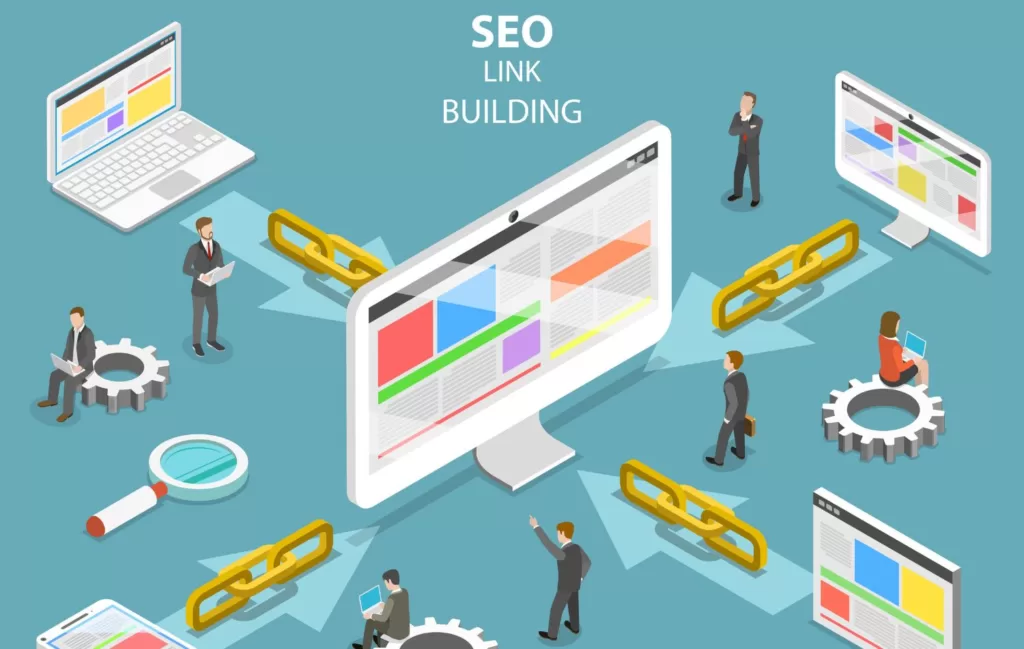
    Illustration with various technology webpages with business figures and "links" around them

    Link-building in SEO is a way to construct one-way hyperlinks to a website to enhance your overall search engine visibility. If you’ve recognized these familiar terms—backlinking and interlinking—then you are familiar with link-building since those are two of its components. These tactics can be utilized across multiple methods that build one-way or a referral hyperlink so that prospective clients can find your website and purchase services much easier.

    Methods of Link Building

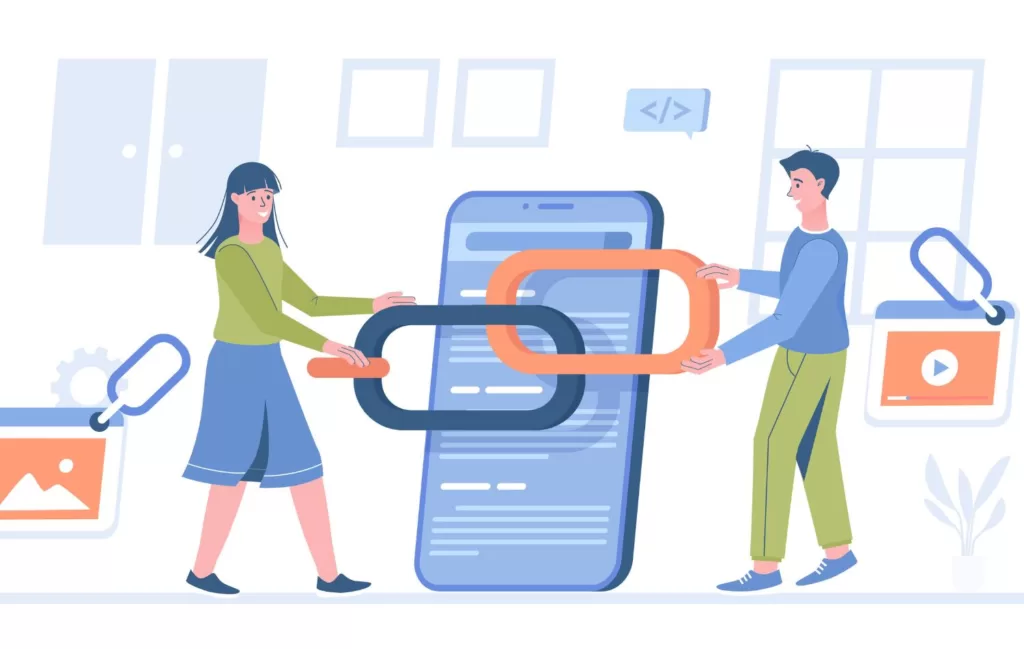
    Illustration of two people "link building" in front of a phone screen

    Developing an effective link-building strategy isn’t easy, so finding the best method is key to success. Here are some methods for link-building:

    • Content Marketing is beneficial when you create evergreen content that adds long-term value to your blog.
    • Guest blogging is another option to build shareable links and post relevant infographics without putting in the elbow grease.
    • Utilizing Link-building tools helps you identify and acquire the highest quality backlinks for your chosen topic.
    • Ensure you’re offering useful products and services
    • Email Outreach can be useful if the email is well-written and personable so that it entices the person receiving the email. With this method, be sure to elaborate how you will improve the user experience of visitors to their site.
    • Broken Link-Building is a useful tactic that takes advantage of broken pages across the web by discovering dead pages and asking linkers to swap links to a working page on your site.
    • Public Relations link-building methods include press releases and media pitching to secure editorial links that are directed straight to your website.

    Creating the Best Link Building Strategy

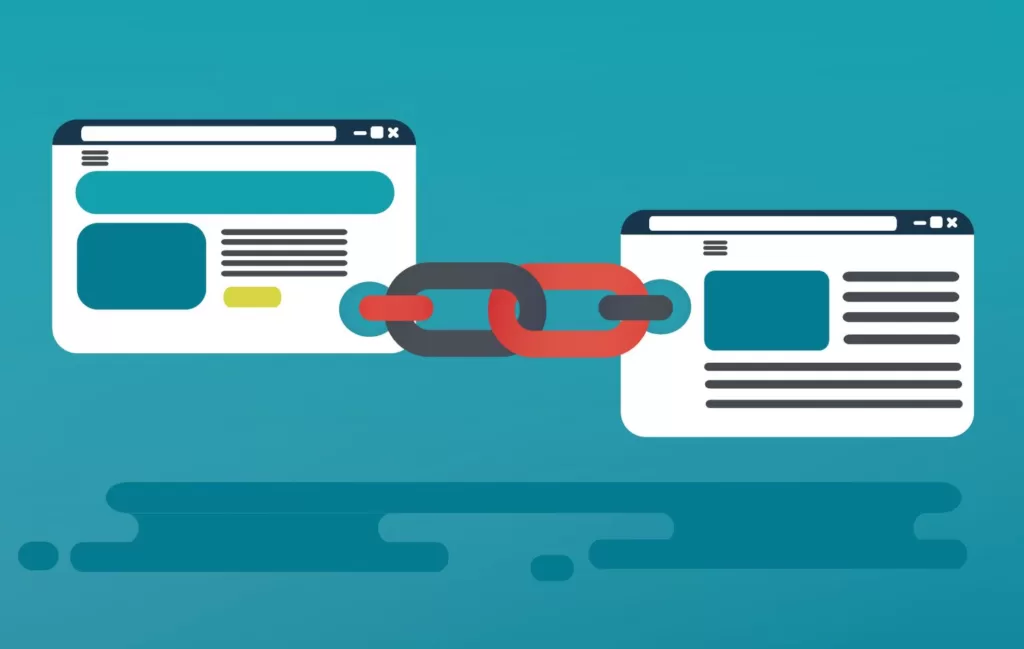
    Image of two webpages connected by "link building"

    There are multiple tactics that bring benefits to your link-building strategy.

    First and foremost, crafting something that is “link-worthy” should be #1 on your SEO agenda.

    Once that’s done, move forward with the following link-building recommendations:

    • Proper outreach to those who see your product/service as useful is who you should target. Don’t send a generic mass email to anyone; instead, stick to who will value your business. For example, utilize those who mentioned your target keywords in their article or who linked similar articles with a similar product/service, since that will result in higher response rates.
    • Serve as a guest blogger by reaching out to businesses and offer free written content to potentially bring them more visitors to their site.
    • Identify broken links and pages on a website so you can create valuable content to that resource. It’s better to connect content to a working site rather than a dead one.
    • Link unlinked mentions by using various tools to identify which links yours would be best paired with.
    • Look for lost links by reaching out to the prior contacted business and see if your link would be better suited somewhere else on their website.
    • Use list posts since bite-sized, easy-digestible content brings more value to the reader than large, hard-to-read paragraphs.
    • Utilize links from mediocre pages IF you believe your content is better than theirs. Make sure to check the links and then add them to yours.
    • Use paid promotions for linkable assets to provide value about your products/services to target audiences.

    Link Building Tactics to Run Away From

    Image of a thumbs down

    While there are some tactics that are go-to’s, there are some to stray away from.

    • Buying links is a tactic that is against Google’s SEO guidelines. It’s advisable to stay away from it, as it may come with repercussions.
    • Paying for each link-building opportunity is very costly and racks up quickly. The average private blog price is $350; you do the math.
    • Not checking and verifying the authority of the site can cause major issues because if you don’t understand your site’s credibility, you won’t know how you compare to the competition.
    • Not considering the link’s position on the page is something to highly consider! Is it embedded in the content? Is it buried in the footer? Make its location a priority.
    • Initiating cold outreach and mass-emailing potential links can have negative effects as a mass email has a more generic copy/paste feel. It’s best to cater the content for each point of contact so they don’t feel ignored.

    Why is Link Building Beneficial?

    Illustration of two laptops with a hand coming out of each screen, connecting to each other via "chains" representing link builing

    First off, link-building leads to higher site metrics and a stronger SEO score—this brings more people to your site and helps your business.

    Since backlinks remain as Google’s first choice ranking signal, it makes sense to see why it’s useful to link with reputable, popular websites. Leverage quality over quantity when it comes to making a positive impact in today’s search engine realm. Also, why not stick with something if it brings beneficial professional relationships with it? Backlinking brings continued opportunities to build and grow your business, create brand familiarity, and generate product awareness on partnering websites.

    There’s no better feeling than bringing back more traffic to your website!

    Is Link Building the Same as Backlinking?

    While both terms are popular tactics for SEO, they have slight differences. Link Building is creating links to your website from other websites. Backlinking is linking content from one website to a certain page on another.

    Don’t Be Afraid to Build a Link with Us!

    Implementing link-building strategies into your SEO is a time-consuming process that requires lots of attention and commitment. Making sure you work with someone who can put the effort and time into it that will generate the best results. Let our team of SEO experts help you get there.

    By staying updated on current digital trends and knowing what will get the customer to your website, our team leverages cutting-edge SEO and link-building tools to launch a successful strategy that aligns with your specific industry and niche product/service.

    Contact us today to get started.

  • Why Word Count & Keyword Density Matters in SEO

    Why Word Count & Keyword Density Matters in SEO

    What is Keyword Density?

    Keyword density is the number of times a keyword may appear on a webpage or within a specific piece of content as a ratio or percentage rate of the total word count. By noticing the number of times the keywords may appear, that calculates the overall keyword frequency on a specific webpage. Normally, a user or search engine would use Keyword Density to determine what a certain webpage may discuss.

    Is Keyword Density Important for Best SEO Practices?

    Illustration of a webpage with a key

    Keywords are a significant piece to an SEO strategy’s puzzle, therefore Keyword Density matters. By launching efficient keyword practices, you’re imminently positioning yourself in the place of people who have specific Keyword intent, meaning they’re more likely to find your content if the keywords they would more than likely search are embedded in your business’s webpage.

    Every day, we search certain keywords online to find specific content. To grow your search engine rankings, become an authority on the subject matter you’re representing. When you’ve found via the right keywords and Keyword Density per each piece of content, there is an increased chance of re-targeting, achieving higher conversion rates, and boosting customer loyalty—a major accomplishment and golden ticket for the everyday SEO Marketer!

    Where Will You See Keyword Density Used?

    Let’s play out a scenario; let’s say you’re reading an article about marketing. As you read through the article, you notice the word “social media” is used frequently, followed by secondary words such as Facebook, Instagram, and LinkedIn. Although the article’s overarching topic is related to marketing, its Keyword Density narrows its focus on social media marketing strategies. Incorporating these keywords into the article boosts its opportunity to rank higher in search engines for searched keywords, including “social media” or “social media marketing.”

    Things to Consider When Evaluating Your Next Piece of Content

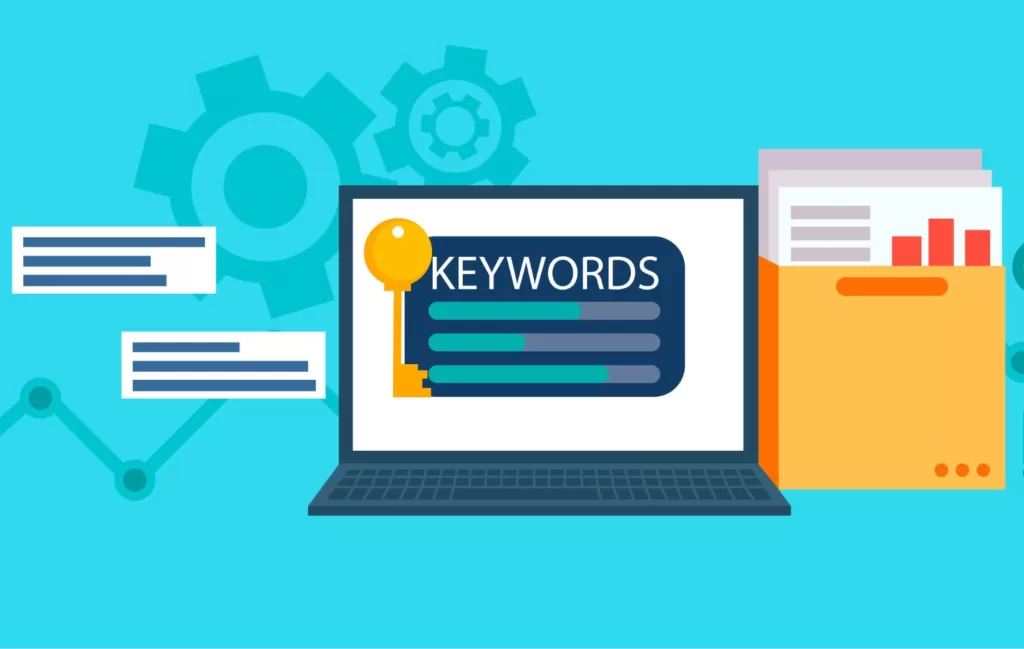
    Illustration of a laptop with the the a key and the term "keywords" on the screen, next to a folder with files inside

    While there are no defined “rules or regulations” for Keyword Density, make sure to implement today’s best SEO practices to ensure you achieve optimal results.

    Focus on Achieving Topic Coverage – While loading content with the same keyword repeatedly is not a feasible long-term SEO strategy, focus on fully covering the topic at hand. Include subtopics to enhance your page’s search ranking and add a new level of flare and creativity.

    Incorporating keyword additions to prominent places (Title Tag, H1, URL, and Meta Description) – While it’s not ideal to “stuff” your article with keywords (known as keyword stuffing) include your main keyword in the Title, Header 1, URL, and Meta Description. That way, it is placed in prominent locations and will enable a higher search ranking for that specific keyword.

    Write naturally –  Readers want to see personality come out in the content they see! Don’t be a robot and write to what Google’s algorithms want to see. Let the words flow the way you want them to, and the results will follow.

    Now, while there isn’t a golden number that’s considered “too high” for Keyword Density in search engine optimization, it’s advisable to revise the content if goes above 2 percent.

    How to Calculate Keyword Density

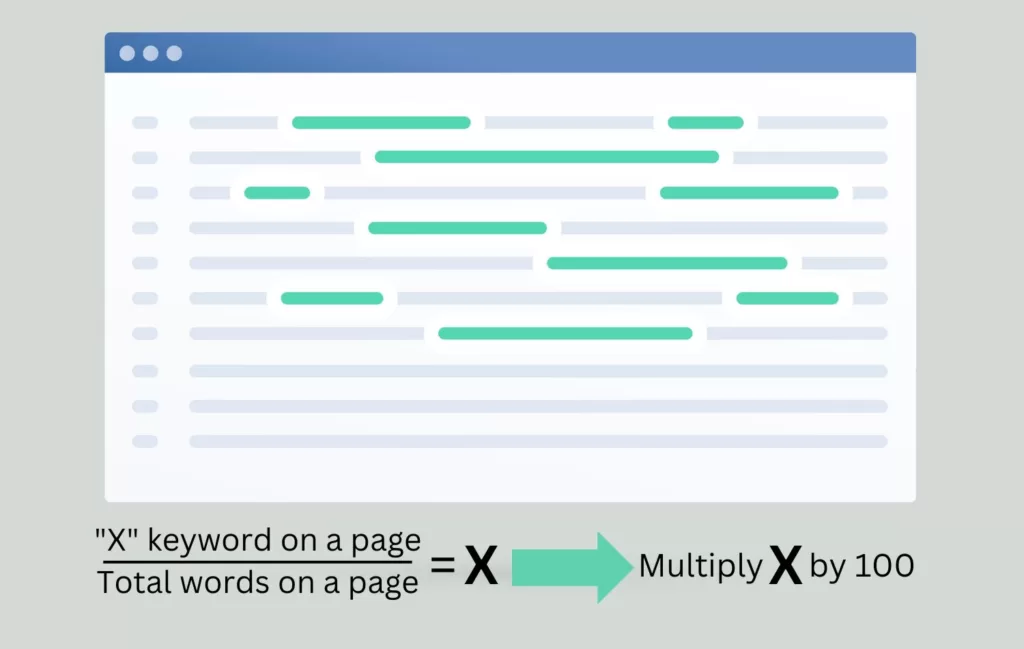
    Image of a webpage with highlighted keywords followed by the calculation to find keyword density

    The formula for calculating Keyword Density is straightforward:

    Divide the number of times a keyword is used on a specific page by the total number of words on the given page. Next, multiply that number by 100.

    The above formula isn’t the only way to calculate Keyword Density. There are multiple types of Keyword Density checkers that help measure (in percentage) the number of times a keyword or phrase appears in comparison to the number of words on a webpage. Optimizing your overall SEO doesn’t have to be a challenge.

    By simply copying and pasting your content into a checker tool, it will calculate the level of density for you!

    Keyword Density and SEO Marketing Professionals at Your Fingertips

    Our team of experts love to dive into the world of SEO. Since Keyword Density is a critical component of SEO marketing, we utilize and leverage proper optimization techniques and strategies to help you appear higher in SERPs, and ideally, leaps and bounds ahead of the competition.

    Reach Marketing Pro has a surplus of Google algorithm trend knowledge to initiate keyword research, content creation, content analysis, and updating content months (even years) after its integration. There are many factors that come into play when ensuring every piece of content is formulated properly for the best results.

    Ready to kickstart your business’s SEO strategy? Contact us to connect with your Keyword Density partner and discuss the next steps.

  • How to Manage Your Business Online Reputation Properly

    How to Manage Your Business Online Reputation Properly

    What is Online Reputation Management?

    Online Reputation Management (ORM) is a combination of utilizing marketing, search engine optimization (SEO), and public relations initiatives that work together to promote, protect, and encourage your brand’s online presence. Various ORM strategies include monitoring and improving your rankings in search results, managing positive/negative online reviews, and crafting a positive social media presence through creating engaging content. 

    Your business’s online reputation is significantly important for your brand’s success. More than 88% of small businesses monitor their online reputation, while 79% of shoppers rely on online reviews to purchase products or services as much as personal recommendations.

    Unfortunately, with all businesses, no or few reviews can automatically deter a potential customer away, so it’s important to continuously develop your online reputation to ensure success.

    Is Online Reputation Management a Type of Marketing Strategy?

    Illustration of a man with "likes" and "stars" around him

    Online Reputation Management (ORM) is a combination of utilizing marketing, search engine optimization (SEO), and public relations initiatives that work together to promote, protect, and encourage your brand’s online presence. Various ORM strategies include monitoring and improving your rankings in search results, managing positive/negative online reviews, and crafting a positive social media presence through creating engaging content. 

    Your business’s online reputation is significantly important for your brand’s success. More than 88% of small businesses monitor their online reputation, while 79% of shoppers rely on online reviews to purchase products or services as much as personal recommendations.

    Unfortunately, with all businesses, no or few reviews can automatically deter a potential customer away, so it’s important to continuously develop your online reputation to ensure success.

    How to Improve My Current Online Business Reputation

    Illustration with people looking at a phone and PC screen with "stars" insinuating reviews

    In order to boost your online business reputation, it’s time to focus on its current position. We have provided a few tips and ways you can improve your current online reputation.

    • Utilizing a Reputation Management software, which is designed to monitor users’ online reviews of products and services. This software also helps your business monitor the web so that you can respond to negative reviews and encourage positive ones.
    • Leveraging Automated software integrations which enables systems to integrate with one another.
    • Joining social networks with professionals who specialize in the same field. That way, you can host conversations about trending topics and boost each other’s online reputation.
    • Optimizing your business’s URL makes your web page more understandable by search engines and furthers your SEO rankings in the SERP.
    • Asking customers to leave reviews, preferably sooner than later.
    • Actively addressing and responding to both positive and negative reviews in a professional manner.

    By taking these factors into account, you will be well on your way to having a stellar online reputation.

    What Should I Do If I Receive a Negative Review?

    First thing’s first, negative reviews are a part of every business. If, and when because it will likely happen at some point, you get a negative review on Google or an additional website your business is promoted on, make it a priority to respectfully respond in a timely fashion, preferably within 24 hours. When this happens, this helps prospective and already existing customers understand how you approach someone who had an unhappy experience and handle/resolve their situation. Remember – just because you received a negative review doesn’t mean your business is in trouble. Take every review left by a customer, positive or negative, as a way to learn and improve your business’s products, operations, and marketing.

    Having an Online Reputation for Your Business is Necessary

    Illustration with multiple people around a computer screen adding hearts and stars to a review

    The social proof in reviews and 1-star or 5-star ratings help customers shortcut their research and make decisions faster with more confidence. Between reviews and word-of-mouth referrals, others will see your brand’s online reputation as one of the first impressions they see. We all know how important first impressions are, so be sure that you are fully utilizing and monitoring an online reputation marketing strategy effectively to see the best results.

    Reach for Those 5-Star Reviews with a Robust Reputation Management Strategy

    When it comes to brand perception, our eyes are keen on the details with your online reputation At Reach Marketing Pro, we have the software you need to automate and review the reputation management process. Our team of online management experts utilize current strategies, automations, reputation management software, review solicitation campaigns, and CRMs to improve the number of reviews you receive across various platforms such as Google and other industry specific review channels. Though it may seem like a lot, we offer specialized pricing that is custom based on your budget. When you partner with us, you gain a team of dedicated account managers who will utilize robust reputation management tools and tailored custom reputation marketing strategies to get the results you desire.

    Like what you’re reading? Reach out to us today to get started.

  • What are the Best SEO Tools and Software?

    What are the Best SEO Tools and Software?

    When you have a goal to increase traffic and user engagement to your website, utilizing an SEO tool will help with your business’s search optimization strategy. Here we will define what SEO is, how it can impact your online traffic, the best SEO tools to use, and how our SEO specialists utilize the best software tools that produce long-lasting results.

    What is Search Engine Optimization or SEO?

    Search Engine Optimization (SEO) is a process that involves incorporating specific keywords and content that helps your website rank higher across various search engines. SEO is used to generate more engagement to a specific website, web page, or piece of content. When a company wants to boost its SEO strategy, they normally hire an SEO Specialist who focuses the majority of their time on analyzing the website’s overall health and identifies areas of improvement that can be optimized to improve your search rankings.

    How SEO Specialists Use SEO Tools

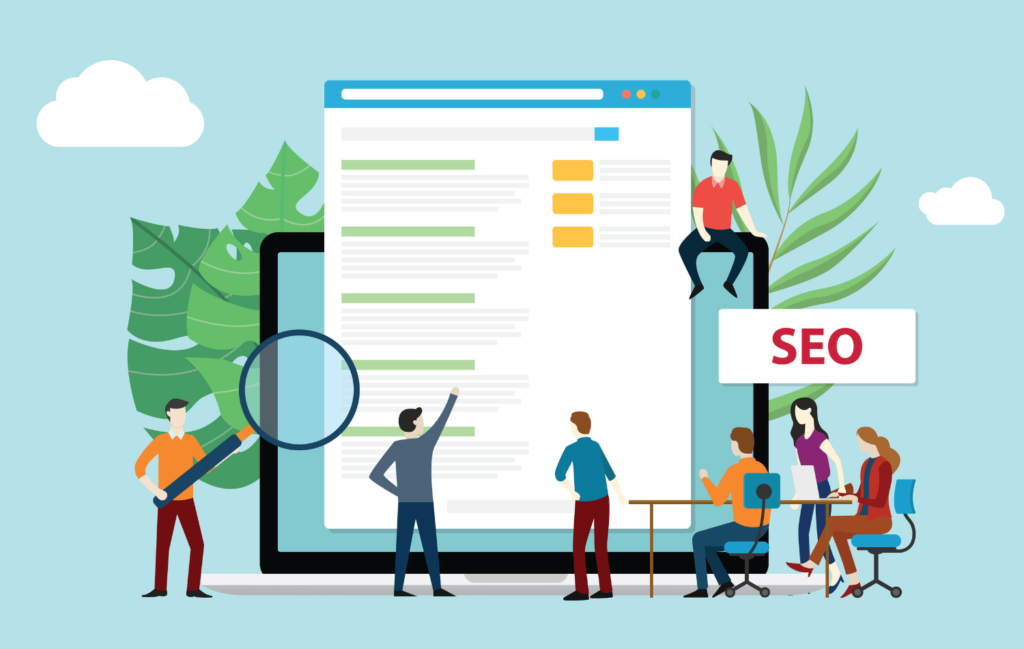
    Illustration with multiple male & female figures who are standing in front of a large webpage with a SEO label

    Investing in an SEO Specialist can provide positive, long-term results for your online traffic. An SEO Specialist navigates your website and makes improvements on the front-end and back-end that can significantly improve the search performance of your website. SEO tools and software assist SEO Specialists during this process by enabling them with the data they need for proper optimization. These SEO software tools are used for keyword searches, organic data, and backlinking, which all benefit your business’s search engine rankings.

    Keyword Searches involve incorporating keywords into the content you put on your website, so they show up as relevant results when similar keywords are searched online. Keyword data refers to the keyword volume of a particular keyword phrase on a monthly basis as well as the SERP position (Page 1, Page 2, Page 3 on Google) of your website page for any given keyword phrase.

    Backlinking includes an internal and external effort for linking websites together through relevant keyword phrases and content topics. For example, if another business or individual links to your site, then you now have a backlink from them, or vice versa, which can improve your SEO and their SEO. It’s a mutually beneficial search relationship.

    Organic Data involves analyzing the website metrics, after combining keyword research and backlinking into your website, and extrapolating useful analytic insights to implement on your site pages. That way you can ensure your content ranks, and continues to rank, at the top of organic, unpaid search engine results pages (SERPs).

    The Best SEO Tools and Software to Use

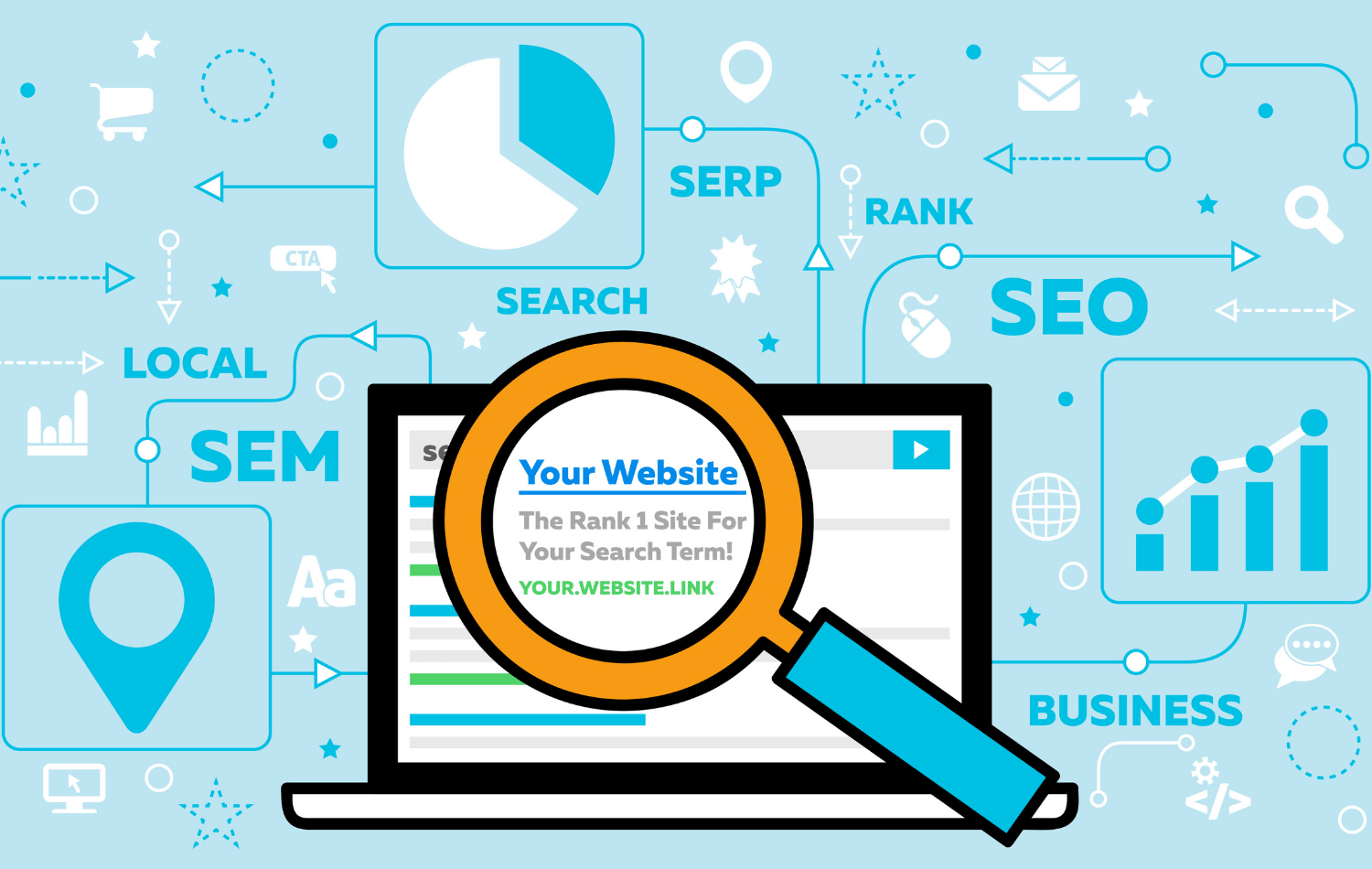
    Illustration with a magnifying glass over text on a laptop. The background is blue and has various SEO terms

    With so many moving parts that are involved with SEO, it can be hard to master at the beginning. However, there is software that’s considered to be the best SEO tools on the market today. Based on our research findings, the best SEO tools are:

    • Ahrefs for SEO Keyword Research has been recognized as being second to Google when it comes to website crawling. When you want to determine your competitor’s backlinks, Ahrefs specializes in link building, keyword research, competitor analysis, rank tracking, and site audits.
    • Google Search Console provides detailed information on how Google crawls, indexes, and serves websites. Best of all, it monitors and optimizes your overall search performance.
    • Semrush is an all-in-one suite that improves your website’s visibility and provides marketing insights. SEMrush delivers optimized specialties in SEO, PPC, SMM, Keyword Research, Competitive Research, PR, Content Marketing, Marketing Insights, and Campaign Management.
    • KWFinder is a keyword research platform that helps you find long-tail keywords with low competition.
    • Moz Pro is used to gather data on your site’s search rankings, page optimization, site crawl, and backlink metrics.
    • SpyFu offers competitive intelligence used by digital marketers to improve their performance in online research.

    Based on what your specific needs are, these are some of the best SEO tools to use in today’s marketplace. No matter the tool you choose, your online presence is in good hands and you will see dramatic results.

    When Using SEO Tools and Software, How Long Will It Take to See Results?

    Short answer: It can be anywhere between 4 to 12 months to see results. Sometimes longer depending on the competition level of the chosen primary keyword phrase. However, the speed at which you can see verifiable results depends on how well combine ranking factors into your executed SEO strategy. For example, if you target low-competition keywords, you may start to see results quicker than if you target high-competition keywords. Think of it this way – SEO is a marathon, not a sprint. If you want to see long-lasting results and not fall backward, slow and steady always wins the race.

    Why Should I Use SEO Tools if It Takes a While to See Results?

    A collage of animated webpages, forms, and graphs

    Think back to each passing New Year. The typical New Year’s resolution is to go on a diet and lose some weight. Most of the time when this happens, this sudden resolution ends after only a few months because people would not see any significant changes as quickly as they would like to see. That is why it is called a lifestyle change, rather than a fad diet or a “quick fix.” SEO is the same way. Results do not change overnight. Instead, it takes consistent optimization for a minimum of 4 months until you begin to see a change in traffic or your google search rankings. If you stay diligent and continue running your marathon, you will reach the finish line and see a significant improvement.

    SEO Professionals That Handle Your SEO All at One Cost

    Reach Marketing Pro is a leading industry expert on what it takes to grow your social engagement. We offer a full-fledged SEO marketing service that kickstarts your organic strategy from the ground up, creating captivating content using graphics, photos, and videos across your website pages and blog posts. Our close-knit team includes Search Engine Optimization Specialists who can boost your SEO rankings by utilizing the most optimal SEO tools and software on the market. By leveraging proper optimization, data-driven keywords, and SEO marketing strategies, we will have your business ranking higher in SERPs – ahead of your competition. We are industry experts who specialize in content creation, backlinking, website crawling, SEO, and keyword analytics that can benefit your business’s website traffic and profitability in the long run.

    Visit our SEO services page to learn more.

  • How Reputation Management Helps Your SEO Marketing

    How Reputation Management Helps Your SEO Marketing

    What is Online Reputation Management?

    Online Reputation Management (ORM) is the cumulation of review solicitation, reputation marketing, SEO, and public relations strategies that help promote, protect, and encourage your business’s online reputation. When using ORM tactics, your business can:

    • Monitor your ranking in search results.
    • Respond to and manage online reviews, both positive and negative.
    • Provide a positive social media presence through engaging content.

    Why Online Reputation Management is Important

    the importance of online reputation management

    Your online reputation is important for your business’s success. More than 88% of small businesses monitor their online reputation, and 79% of online shoppers rely on online reviews to purchase products or services as much as personal recommendations. For example, let’s say you are wanting to hire a house cleaner.

    Today, there are websites such as Thumbtack, Yelp, and Angie’s List that you can use to compare current home cleaner providers based on your location and budget. Since you may see an average of 20 different providers, consumers rely on the reviews from previous customers to influence their decision. If the provider does not have positive reviews, there is a higher chance that they will have a difficult time onboarding new business. With that being said, maintaining a strong portfolio of positive ratings and 5-star reviews significantly impacts your overall success.

    How Reputation Management Works with SEO

    Search Engine Optimization (SEO) is a process that improves the quality of your website content and raises your site’s page rankings on search engines. Utilizing SEO tactics such as keyword research, backlink building, creating engage-worthy content, and increasing your online visibility on Google greatly impacts your SEO results.

    Google uses the E-A-T algorithm to determine rank-worthy content for SERPs. One of the pillars of this algorithm is Trust. Online reputation is a direct correlation to the amount of trust users place in your business, so it only makes sense that search engines would follow suit. When you use SEO reputation management tools, it heavily improves the quality of your brand-specific content that appears in search results. When you build a strong reputation with your customers, it contributes to your search engine optimization strategy. Not only will it help you build an online presence and establish trust with new and ongoing customers, but it will also boost your ranking in search engines.

    Why SEO Reputation Management Matters to You

    SEO reputation management

    If you want to establish a strong online presence with current and future customers, building your online search engine optimization reputation management is vital for your:

    • Online marketing strategy.
    • Organic and paid search traffic.
    • Profitability.
    • Positive prominence in search rankings.
    • Brand value.

    If boosting your brand value, generating profitability, and growing your team are important next steps and goals for your business, SEO reputation management ties in with all these major components. By maintaining information-rich content on your website that clearly addresses your customer’s needs while providing solutions to a common problem, then you will improve the quality of your brand’s content in search results.

    What to Do When Your Reputation is Not Improving

    Just like how maintaining a positive reputation is important to ensure goals are met, addressing negative responses to repair your reputation can be a double-edged sword. A business may be struggling with the following:

    • Poor customer experiences or lack of communication.
    • Unnecessary inflated prices that are not in line with market value.
    • Limited services with no room for growth or expansion.
    • Lack of monitoring of general reputation, online and offline.
    • Minimal community outreach with competitors and nonprofit organizations.

    If you see your online reputation falling, it can feel like you are stuck on how to repair it and return to where it was before. SEO Reputation Management provides the solutions to reverse the damage, however, it is not an overnight “quick-fix” solution. Instead of sticking a band-aid on it and calling it a day, let the stitches heal so no scar is left behind. Trust the process and everything works itself out in the end.

    Solidify Your SEO & Reputation Management at One Cost

    SEO and reputation management marketing

    When it comes to brand perception, our eyes are keen on the details with your online reputation management strategy. Our team has extensive knowledge and experience in the SEO and Reputation Management realm by utilizing multiple tools and software that work hand in hand to optimize search results for your business. To learn more about how our SEO marketing and reputation management services can help your business, contact us today for a free consultation.